How to Clean a Butt Weld Elbow
As a trusted supplier of butt weld elbows, I understand the importance of maintaining the quality and integrity of these essential components. A clean butt weld elbow not only enhances its appearance but also ensures optimal performance and longevity. In this blog post, I will share some effective methods and best practices for cleaning butt weld elbows.
Understanding Butt Weld Elbows
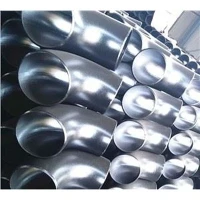
Before delving into the cleaning process, let's briefly understand what butt weld elbows are. Butt weld elbows are pipe fittings used to change the direction of a pipeline. They are commonly made of various materials such as stainless steel, carbon steel, and alloy steel. These elbows are joined to the pipeline through a butt welding process, which creates a strong and leak - proof connection.
The cleanliness of butt weld elbows is crucial, especially in industries where the purity of the fluid or gas flowing through the pipeline is of utmost importance, such as in the food and beverage, pharmaceutical, and semiconductor industries. Even in general industrial applications, a clean elbow reduces the risk of corrosion, blockages, and other operational issues.
Pre - cleaning Preparation
- Safety First:
- Wear appropriate personal protective equipment (PPE), including gloves, safety glasses, and a dust mask. Cleaning agents can be harmful to the skin and eyes, and dust generated during the cleaning process can be inhaled, causing respiratory problems.
- Ensure proper ventilation in the cleaning area. If the cleaning is being done indoors, open windows or use exhaust fans to remove fumes.
- Inspect the Elbow:
- Before cleaning, carefully inspect the butt weld elbow for any signs of damage, such as cracks, dents, or excessive corrosion. If significant damage is found, the elbow may need to be replaced rather than cleaned.
- Identify the type of material the elbow is made of. Different materials may require different cleaning methods and agents. For example, stainless steel may be more resistant to certain chemicals compared to carbon steel.
Cleaning Methods
- Mechanical Cleaning:
- Brushing: Use a wire brush or a nylon brush to remove loose dirt, rust, and debris from the surface of the butt weld elbow. A wire brush is more effective for removing stubborn rust and scale, but it may scratch softer materials. A nylon brush is gentler and can be used on delicate surfaces.
- Abrasive Blasting: This method involves propelling abrasive materials, such as sand, glass beads, or aluminum oxide, at high speed onto the surface of the elbow. Abrasive blasting can quickly remove heavy rust, paint, and other contaminants. However, it requires specialized equipment and should be done carefully to avoid damaging the elbow.
- Chemical Cleaning:
- Solvent Cleaning: For removing grease, oil, and some organic contaminants, solvents such as acetone, mineral spirits, or isopropyl alcohol can be used. Apply the solvent to a clean cloth and wipe the surface of the elbow. Make sure to work in a well - ventilated area as solvents are flammable and can emit harmful fumes.
- Acid Cleaning: In some cases, acids can be used to remove rust and scale. For example, a diluted solution of hydrochloric acid or phosphoric acid can be effective for cleaning carbon steel elbows. However, acid cleaning should be done with extreme caution as acids are highly corrosive. After acid cleaning, the elbow must be thoroughly rinsed with water to neutralize any remaining acid.
- Ultrasonic Cleaning:
- Ultrasonic cleaning is a highly effective method for removing small particles and contaminants from the surface and crevices of the butt weld elbow. The elbow is placed in a tank filled with a cleaning solution, and ultrasonic waves are generated in the solution. These waves create tiny bubbles that implode, creating a scrubbing action that removes dirt and debris. Ultrasonic cleaning is gentle on the elbow and can reach areas that are difficult to access by other methods.
Post - cleaning Steps
- Rinsing: After cleaning, thoroughly rinse the butt weld elbow with clean water to remove any remaining cleaning agents or debris. Make sure to rinse all surfaces, including the inside of the elbow.
- Drying: Use a clean, dry cloth to wipe the elbow dry. If possible, allow the elbow to air - dry completely to prevent the formation of water spots or corrosion.
- Inspection: Once the elbow is dry, inspect it again to ensure that it is clean and free of any remaining contaminants. Check for any signs of damage that may have occurred during the cleaning process.
Maintenance Tips
- Regular Inspections: Conduct regular visual inspections of the butt weld elbows in your pipelines. Look for signs of dirt, rust, or corrosion and clean them promptly if necessary.
- Proper Storage: When storing butt weld elbows, keep them in a dry, clean environment. Protect them from exposure to moisture, chemicals, and physical damage.
- Coating Application: Consider applying a protective coating to the butt weld elbows, especially in corrosive environments. Coatings such as epoxy or zinc can provide an additional layer of protection against rust and corrosion.
Related Products
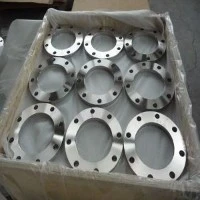
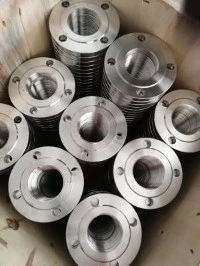
If you are in the market for high - quality butt weld elbows and related products, we also offer a wide range of options. For instance, you can explore our SCH40 Carbon Steel Flange, which is designed to provide a reliable connection in your pipeline systems. Our Carbon Steel 90LR Seamless Elbow offers excellent durability and smooth flow characteristics. And for applications that require compliance with specific standards, our GB 12459 Forged Carbon Steel 90 Degree Elbow is a great choice.


Contact for Purchase
If you are interested in purchasing our butt weld elbows or any other related products, we encourage you to reach out to us for further discussion. Our team of experts is ready to assist you with product selection, technical advice, and pricing information.
References
- ASME B16.9 - Factory - Made Wrought Buttwelding Fittings
- ASTM A234 - Standard Specification for Piping Fittings of Wrought Carbon Steel and Alloy Steel for Moderate and High - Temperature Service
- NACE International Standards for Corrosion Prevention and Control in the Oil and Gas Industry