Are carbon steel elbows suitable for steam pipelines?
Steam pipelines play a crucial role in various industrial applications, from power generation to manufacturing processes. When it comes to constructing these pipelines, selecting the right materials is essential to ensure efficiency, safety, and longevity. One commonly considered option for steam pipeline components is carbon steel elbows. As a carbon steel elbow supplier, I will delve into the suitability of carbon steel elbows for steam pipelines in this blog.
Properties of Carbon Steel Elbows
Carbon steel is an alloy of iron and carbon, with the carbon content typically ranging from 0.05% to 2.1%. The properties of carbon steel make it a popular choice for many industrial applications, including steam pipelines. Carbon steel elbows are known for their high strength, good ductility, and excellent weldability. These properties allow them to withstand high pressure and temperature conditions commonly found in steam systems.
The strength of carbon steel elbows is one of their key advantages. They can handle the mechanical stresses exerted by the flowing steam, including pressure changes and vibrations. This strength ensures that the elbows maintain their structural integrity over time, reducing the risk of leaks or failures.
In addition to strength, carbon steel elbows offer good ductility. Ductility refers to the ability of a material to deform under stress without breaking. This property is important in steam pipelines as it allows the elbows to absorb some of the thermal expansion and contraction that occurs as the steam temperature fluctuates. By accommodating these changes, carbon steel elbows help prevent the development of cracks or fractures in the pipeline.
Weldability is another significant advantage of carbon steel elbows. Welding is a common method used to join pipeline components, and carbon steel can be easily welded using various techniques. This makes it convenient for installers to assemble steam pipelines, ensuring a secure and leak - free connection.
Suitability for Steam Pipelines
Temperature Resistance
Steam pipelines often operate at elevated temperatures. Carbon steel elbows can generally withstand temperatures up to around 400 - 450°C (752 - 842°F), depending on the specific grade of carbon steel. For low - to medium - pressure steam systems operating within this temperature range, carbon steel elbows are a suitable choice.
However, in high - temperature steam applications, such as those found in some power plants where steam temperatures can exceed 500°C (932°F), special grades of carbon steel or other materials may be required. At extremely high temperatures, carbon steel may experience a reduction in strength and an increase in the risk of oxidation and corrosion.
Pressure Handling
Steam pipelines are subject to varying levels of pressure. Carbon steel elbows are capable of handling moderate to high pressures. The thickness and design of the elbows can be adjusted according to the specific pressure requirements of the steam system. For most industrial steam applications, carbon steel elbows can provide reliable performance under normal operating pressures.
Corrosion Resistance

Corrosion is a major concern in steam pipelines, especially when the steam contains moisture or other corrosive substances. While carbon steel is not inherently corrosion - resistant, proper coatings or linings can be applied to protect the elbows from corrosion. For example, a layer of epoxy coating can be used to create a barrier between the carbon steel and the steam environment, significantly extending the service life of the elbows.
In some cases, where the steam is relatively clean and dry, carbon steel elbows may not require extensive corrosion protection. However, in more aggressive environments, such as those with high humidity or the presence of acidic gases, additional corrosion prevention measures are necessary.
Types of Carbon Steel Elbows for Steam Pipelines
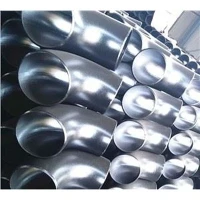
As a supplier, we offer a variety of carbon steel elbows suitable for steam pipelines. One popular option is the Q235 Carbon Steel Elbow. Q235 is a common grade of carbon steel known for its good combination of strength and ductility. It is suitable for a wide range of steam applications, especially those with moderate temperature and pressure requirements.
Another option is the Carbon Steel Fitting 60 90 Degree Black Ms Bend Pipe Elbow. These elbows are available in different angles (60 and 90 degrees), which are commonly used in steam pipeline layouts to change the direction of the flow. The black finish on these elbows can provide some initial protection against corrosion.

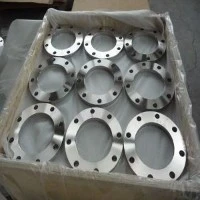
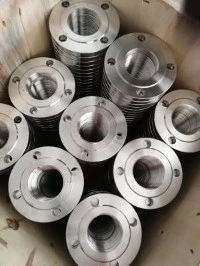
We also supply Carbon Steel Pipe Fittings Flange, which are often used in conjunction with carbon steel elbows to connect different sections of the steam pipeline. Flanges provide a secure and leak - proof connection, ensuring the efficient operation of the steam system.
Considerations for Using Carbon Steel Elbows in Steam Pipelines
Material Selection
When choosing carbon steel elbows for steam pipelines, it is important to select the appropriate grade of carbon steel based on the specific operating conditions of the steam system. Factors such as temperature, pressure, and the presence of corrosive substances should be taken into account. Working with a knowledgeable supplier can help ensure that the right material is selected for the application.
Installation and Maintenance
Proper installation of carbon steel elbows is crucial to their performance in steam pipelines. The elbows should be installed according to industry standards and best practices to ensure a secure and leak - free connection. Regular maintenance is also necessary to monitor the condition of the elbows and detect any signs of wear, corrosion, or damage. Maintenance activities may include visual inspections, non - destructive testing, and the application of protective coatings as needed.
Conclusion
In conclusion, carbon steel elbows can be a suitable choice for steam pipelines, especially in low - to medium - temperature and pressure applications. Their high strength, good ductility, and weldability make them well - suited for handling the mechanical stresses and thermal changes in steam systems. However, careful consideration must be given to factors such as temperature resistance, pressure handling, and corrosion prevention.

As a carbon steel elbow supplier, we are committed to providing high - quality products and professional advice to our customers. If you are in the process of designing or upgrading a steam pipeline and are considering using carbon steel elbows, we encourage you to contact us for more information. Our team of experts can help you select the right carbon steel elbows for your specific application and provide guidance on installation and maintenance.
References
- ASME B31.1 Power Piping Code
- API 5L Specification for Line Pipe
- ASTM A234 Standard Specification for Piping Fittings of Wrought Carbon Steel and Alloy Steel for Moderate and High - Temperature Service