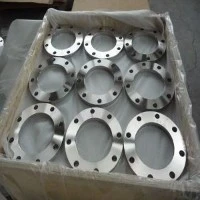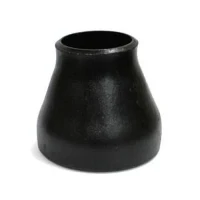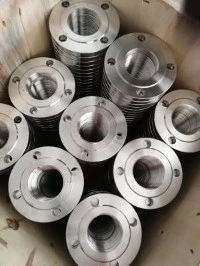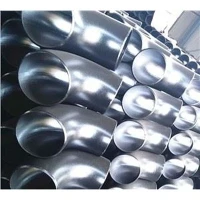
As a supplier of steel plate flanges, I often encounter inquiries from customers regarding international standards for these crucial components. Steel plate flanges play a vital role in various industries, including oil and gas, petrochemical, power generation, and water treatment. They are used to connect pipes, valves, pumps, and other equipment, providing a secure and leak - tight joint. In this blog, I will delve into the existence of international standards for steel plate flanges and their significance in the global market.
The Importance of International Standards
International standards for steel plate flanges are essential for several reasons. Firstly, they ensure the compatibility and interchangeability of flanges from different manufacturers. When a project involves multiple suppliers, having a common standard means that the flanges can be easily assembled without any fitment issues. This reduces the time and cost associated with custom - fitting and modifications.
Secondly, standards guarantee the quality and performance of steel plate flanges. They specify the material composition, manufacturing processes, dimensional tolerances, and testing requirements. By adhering to these standards, manufacturers can produce flanges that meet the safety and performance expectations of end - users.
Finally, international standards facilitate global trade. They provide a common language for buyers and sellers, making it easier to negotiate contracts and ensure that the products meet the required specifications. This is particularly important in the steel plate flange industry, where products are often sourced from different countries.
Major International Standards for Steel Plate Flanges
ANSI Standards
The American National Standards Institute (ANSI) standards are widely recognized and used in the United States and many other countries. ANSI standards for steel plate flanges cover a range of classes and sizes, each designed for specific pressure and temperature applications. For example, the ANSI Standard Class150 Steel Flange is suitable for low - pressure applications, while higher - class flanges can withstand more demanding conditions.
ANSI standards also define the dimensions, bolt hole patterns, and facing types of steel plate flanges. This ensures that flanges from different manufacturers can be used interchangeably, as long as they are of the same class and size. For instance, the ANSI Steel Forged DN100 Flange follows the ANSI specifications for its dimensions and other characteristics, making it a reliable choice for projects that require this particular size.
DIN Standards
The Deutsches Institut für Normung (DIN) standards are the German national standards, but they have a significant influence on the international market, especially in Europe. DIN standards for steel plate flanges are known for their precision and strict quality control. They specify different series of flanges, such as PN (pressure nominal) series, which are based on pressure ratings.
DIN flanges are often used in European - based projects and are compatible with other European pipe systems. The manufacturing processes and material requirements under DIN standards are carefully defined to ensure the long - term performance of the flanges in various industrial applications.
JIS Standards
The Japanese Industrial Standards (JIS) are specific to Japan but are also recognized in some Asian and international markets. JIS standards for steel plate flanges are designed to meet the unique requirements of Japanese industries, which often have high - precision and high - quality demands.
JIS flanges have their own set of dimensions, pressure ratings, and material specifications. They are commonly used in Japanese - made equipment and in projects where Japanese engineering standards are followed.
ISO Standards
The International Organization for Standardization (ISO) has also developed standards for steel plate flanges. ISO standards aim to provide a global framework for flange design and manufacturing. They are based on a combination of the best practices from different national standards, making them a good choice for international projects that require a neutral and widely - accepted standard.
ISO standards cover a wide range of flange types, including weld - neck, slip - on, and blind flanges. They also specify the testing and inspection methods to ensure the quality of the flanges.
How These Standards Affect My Business as a Supplier
As a supplier of steel plate flanges, these international standards have a profound impact on my business operations. On one hand, they help me ensure the quality of our products. By following the relevant standards, we can use the appropriate materials, manufacturing processes, and testing procedures to produce flanges that meet or exceed the customer's expectations.
On the other hand, these standards make it easier for us to market our products globally. When we can clearly state that our flanges comply with ANSI, DIN, JIS, or ISO standards, it gives our customers confidence in our products. They know that our flanges are reliable, compatible, and of high quality.
For example, when a customer from the United States requests a flange for a low - pressure application, we can recommend our ANSI Standard Class150 Steel Flange with the assurance that it meets the ANSI requirements. Similarly, for a European customer, we can offer DIN - compliant flanges that are suitable for their specific project needs.
Challenges in Complying with International Standards
Complying with international standards is not without its challenges. One of the main difficulties is keeping up with the changes and updates in these standards. Standards are regularly revised to incorporate new technologies, materials, and safety requirements. As a supplier, we need to stay informed about these changes and ensure that our manufacturing processes and quality control systems are updated accordingly.
Another challenge is the cost associated with compliance. Meeting the strict requirements of international standards often requires investment in new equipment, training for employees, and additional testing and inspection. These costs can put pressure on our profit margins, but we believe that the long - term benefits of compliance, such as increased customer satisfaction and market share, outweigh the short - term costs.
The Role of Standards in the Future of the Steel Plate Flange Industry
In the future, international standards will continue to play a crucial role in the steel plate flange industry. As the global economy becomes more interconnected, the demand for standardized and high - quality flanges will only increase.
New technologies, such as advanced manufacturing techniques and materials, will also drive the evolution of these standards. For example, the development of new high - strength steels may lead to changes in the material requirements of flange standards.
Moreover, environmental and safety concerns will likely be incorporated more deeply into the standards. This will require manufacturers to adopt more sustainable manufacturing processes and ensure that their flanges are safe to use in various applications.
Conclusion and Call to Action
In conclusion, there are indeed international standards for steel plate flanges, including ANSI, DIN, JIS, and ISO standards. These standards are essential for ensuring the quality, compatibility, and performance of flanges in global industrial applications.


As a supplier, we are committed to complying with these standards to provide our customers with the best - quality steel plate flanges. Whether you are looking for an ANSI Standard Class150 Steel Flange, ANSI Steel Forged DN100 Flange, or other types of flanges, we have the expertise and resources to meet your needs.
If you are in the market for high - quality steel plate flanges, we invite you to contact us for more information. Our team of experts is ready to assist you in selecting the right flanges for your project and to provide you with competitive pricing and excellent service. Let's start a conversation about your flange requirements today!
References
- American National Standards Institute (ANSI) publications on steel plate flanges
- Deutsches Institut für Normung (DIN) standards for steel plate flanges
- Japanese Industrial Standards (JIS) related to steel plate flanges
- International Organization for Standardization (ISO) standards for steel plate flanges