Hey there! As a supplier of 90 Degree Lr Elbows, I often get asked if these elbows can be welded. Well, the short answer is yes, they can! But there's a lot more to it than just a simple yes. In this blog, I'm going to dive deep into the world of welding 90 Degree Lr Elbows, sharing everything you need to know.
Understanding 90 Degree Lr Elbows
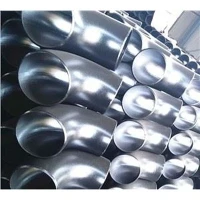
First things first, let's talk about what a 90 Degree Lr Elbow is. The "Lr" stands for "long radius." A 90 Degree Lr Elbow is a pipe fitting that changes the direction of a pipe by 90 degrees. It has a longer radius compared to a short radius elbow, which gives it a smoother flow path. This is important because it reduces turbulence and pressure drop in the pipeline, making it more efficient.

We offer a wide range of 90 Degree Lr Elbows, including SR Elbow, Carbon Steel Fitting 60 90 Degree Black Ms Bend Pipe Elbow, and ANSI SCH40 Steel Elbow. These elbows are made from high-quality materials and are designed to meet the needs of various industries.
Why Weld a 90 Degree Lr Elbow?
There are several reasons why you might want to weld a 90 Degree Lr Elbow. One of the main reasons is to create a permanent and leak-proof connection. Welding ensures that the elbow is securely attached to the pipe, preventing any leakage or separation. This is especially important in applications where the pipeline carries hazardous or valuable fluids.

Another reason to weld a 90 Degree Lr Elbow is to improve the strength and durability of the connection. Welding creates a strong bond between the elbow and the pipe, making it more resistant to stress, vibration, and corrosion. This is particularly important in high-pressure or high-temperature applications.
The Welding Process
Now that we've established that a 90 Degree Lr Elbow can be welded, let's talk about the welding process. There are several welding methods that can be used to weld a 90 Degree Lr Elbow, including:
- Shielded Metal Arc Welding (SMAW): Also known as stick welding, SMAW is a popular welding method for welding 90 Degree Lr Elbows. It uses a consumable electrode coated in flux to create an arc between the electrode and the workpiece. The flux protects the weld from oxidation and contamination.
- Gas Tungsten Arc Welding (GTAW): Also known as TIG welding, GTAW is a precise and clean welding method that uses a non-consumable tungsten electrode to create an arc between the electrode and the workpiece. A shielding gas is used to protect the weld from oxidation and contamination.
- Gas Metal Arc Welding (GMAW): Also known as MIG welding, GMAW is a fast and efficient welding method that uses a consumable wire electrode to create an arc between the electrode and the workpiece. A shielding gas is used to protect the weld from oxidation and contamination.
The choice of welding method depends on several factors, including the type of material, the thickness of the pipe, the welding position, and the required quality of the weld. It's important to choose the right welding method and follow the proper welding procedures to ensure a strong and reliable weld.

Preparing for Welding
Before you start welding a 90 Degree Lr Elbow, it's important to prepare the workpiece properly. This includes cleaning the surface of the elbow and the pipe to remove any dirt, grease, rust, or other contaminants. You can use a wire brush, sandpaper, or a chemical cleaner to clean the surface.
It's also important to ensure that the elbow and the pipe are properly aligned and fit together snugly. You can use clamps or other fixtures to hold the elbow and the pipe in place during welding. Make sure that the gap between the elbow and the pipe is within the acceptable range for the welding method you're using.
Welding Safety
Welding can be a dangerous activity, so it's important to take the necessary safety precautions. This includes wearing appropriate personal protective equipment (PPE), such as welding gloves, a welding helmet, a welding jacket, and safety glasses. You should also make sure that the welding area is well-ventilated to prevent the accumulation of harmful fumes and gases.
It's also important to follow the proper welding procedures and guidelines to ensure a safe and successful weld. This includes using the correct welding parameters, such as the welding current, voltage, and wire feed speed. You should also make sure that the welding equipment is in good working condition and is properly maintained.
Quality Control
After you've finished welding a 90 Degree Lr Elbow, it's important to inspect the weld to ensure that it meets the required quality standards. This includes checking the weld for cracks, porosity, lack of fusion, and other defects. You can use non-destructive testing methods, such as ultrasonic testing, radiographic testing, or magnetic particle testing, to inspect the weld.
If you find any defects in the weld, you should take the necessary steps to repair them. This may involve grinding the weld, rewelding the area, or replacing the elbow. It's important to ensure that the repaired weld meets the required quality standards before using the elbow in the pipeline.
Conclusion
In conclusion, a 90 Degree Lr Elbow can be welded, and welding is a common and effective way to create a permanent and leak-proof connection between the elbow and the pipe. However, it's important to choose the right welding method, prepare the workpiece properly, take the necessary safety precautions, and follow the proper welding procedures to ensure a strong and reliable weld.
If you're in the market for high-quality 90 Degree Lr Elbows or have any questions about welding them, don't hesitate to reach out. We're here to help you find the right products for your needs and provide you with the support and guidance you need to ensure a successful project. Contact us today to start the conversation and let's work together to meet your requirements.
References
- Welding Handbook, American Welding Society
- Pipe Fitting Handbook, Pipe Fitting Institute
- ASME B31.3 Process Piping Code