Can Ansi Blind Flange be used in food - grade applications?
As a supplier of ANSI Blind Flanges, I often encounter inquiries regarding the suitability of these products for food - grade applications. This blog aims to delve into the matter comprehensively, analyzing the factors that determine whether ANSI Blind Flanges can be used in food - grade settings.
Understanding ANSI Blind Flanges
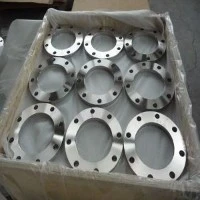
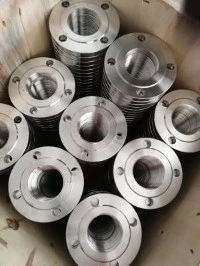
ANSI Blind Flanges are a type of flange defined by the American National Standards Institute (ANSI). They are used to seal the end of a pipe, valve, or vessel, preventing the flow of fluid. ANSI Blind Flanges come in various sizes, pressure ratings, and materials, including carbon steel, stainless steel, and alloy steel. Each material has its own set of properties that make it suitable for different applications. For instance, stainless steel is known for its corrosion resistance, while carbon steel is valued for its strength and affordability. You can learn more about different types of ANSI flanges, such as the ANSI Standard Weld Neck Steel Flange and ANSI Slip On Steel Flange on our website.
Requirements for Food - Grade Applications
Food - grade applications have strict requirements to ensure the safety and quality of the food products. These requirements are mainly related to the materials used in contact with food, as well as the manufacturing processes.
Material Requirements
- Non - Toxicity: The material of the flange must be non - toxic and should not leach any harmful substances into the food. Stainless steel, especially grades like 304 and 316, is commonly used in food - grade applications because it is non - toxic and resistant to corrosion.
- Cleanability: The surface of the flange should be smooth and easy to clean. Rough surfaces can trap food particles and bacteria, leading to contamination. A polished finish is often preferred in food - grade applications.
- Resistance to Corrosion and Chemicals: Food products may contain acids, alkalis, and other chemicals. The flange material should be able to withstand these substances without corroding or reacting with them.
Manufacturing Process Requirements
- Hygienic Design: The manufacturing process should ensure that the flange has a hygienic design, with no crevices or dead spaces where food can accumulate.
- Compliance with Standards: The flange must comply with relevant food - safety standards, such as the FDA (Food and Drug Administration) standards in the United States or the EU food - contact regulations in Europe.
Suitability of ANSI Blind Flanges for Food - Grade Applications
Whether ANSI Blind Flanges can be used in food - grade applications depends on several factors, mainly the material and the manufacturing process.
Material Considerations
- Stainless Steel ANSI Blind Flanges: Stainless steel ANSI Blind Flanges, particularly those made of 304 or 316 stainless steel, are often suitable for food - grade applications. These grades of stainless steel are non - toxic, corrosion - resistant, and easy to clean. They can withstand the chemicals commonly found in food products, such as acids and salts. For example, in a dairy processing plant, where milk and other dairy products are processed, stainless steel ANSI Blind Flanges can be used to seal pipes and vessels without the risk of contamination.
- Other Materials: Carbon steel and alloy steel ANSI Blind Flanges are generally not recommended for direct contact with food. Carbon steel is prone to rusting, which can contaminate the food. Alloy steel may contain elements that are not suitable for food - grade applications. However, if these flanges are coated with a food - grade material, they may be used in some non - direct contact applications.
Manufacturing Process Considerations
- Surface Finish: A smooth and polished surface finish is essential for food - grade ANSI Blind Flanges. The manufacturing process should ensure that the surface roughness is within the acceptable range. For example, a surface finish with a Ra value (average roughness) of less than 0.8 micrometers is often required in food - grade applications.
- Quality Control: Strict quality control measures should be in place during the manufacturing process to ensure that the flanges meet the food - safety standards. This includes inspections for cracks, porosity, and other defects that could affect the performance and safety of the flanges.
Advantages of Using ANSI Blind Flanges in Food - Grade Applications
If the ANSI Blind Flanges meet the food - grade requirements, they offer several advantages in food - grade applications.


Sealing Performance
ANSI Blind Flanges provide a reliable seal for pipes and vessels, preventing the leakage of food products. This is crucial in maintaining the hygiene and quality of the food. A good seal also helps to prevent the entry of contaminants, such as dust and bacteria, into the food - processing system.
Compatibility with Existing Systems
ANSI flanges are widely used in industrial piping systems. Using ANSI Blind Flanges in food - grade applications allows for easy integration with existing piping systems, reducing the need for costly modifications.
Durability
Stainless steel ANSI Blind Flanges are durable and can withstand the harsh conditions in food - processing plants, such as high - temperature cleaning and the use of cleaning chemicals. This reduces the frequency of replacement and maintenance, resulting in cost savings over the long term.
Challenges and Limitations
While ANSI Blind Flanges can be used in food - grade applications under certain conditions, there are also some challenges and limitations.
Cost
Stainless steel food - grade ANSI Blind Flanges are generally more expensive than those made of other materials. The cost of manufacturing food - grade flanges with the required surface finish and quality control can also be high. This may be a significant factor for some food - processing companies, especially small - and medium - sized enterprises.
Installation and Maintenance
Proper installation and maintenance are crucial for ensuring the performance and safety of ANSI Blind Flanges in food - grade applications. Incorrect installation can lead to leaks and contamination, while improper maintenance can result in the degradation of the flange material. Food - processing companies need to have trained personnel for the installation and maintenance of these flanges.
Conclusion
In conclusion, ANSI Blind Flanges can be used in food - grade applications, but only if they are made of suitable materials and manufactured to meet the strict food - safety requirements. Stainless steel ANSI Blind Flanges, especially those made of 304 or 316 stainless steel, are the most suitable option for direct contact with food. They offer good sealing performance, compatibility with existing systems, and durability. However, the cost and the need for proper installation and maintenance should also be considered.
If you are in the food - processing industry and are looking for high - quality ANSI Blind Flanges for your food - grade applications, we are here to help. Our ANSI Blind Flange products are carefully manufactured to meet the highest standards of quality and safety. We can provide you with the right flanges that are suitable for your specific needs. Contact us to start a procurement discussion and find the best solution for your food - grade piping systems.
References
- American National Standards Institute (ANSI) standards for flanges.
- Food and Drug Administration (FDA) regulations for food - contact materials.
- European Union food - contact regulations.