In the realm of industrial piping systems, the choice of components is crucial, especially when dealing with corrosive environments. One such component is the GOST Blind Flange, a key element in many piping setups. As a supplier of GOST Blind Flanges, I often encounter inquiries about their suitability for corrosive environments. In this blog, I will delve into the characteristics of GOST Blind Flanges and analyze whether they can be effectively used in such challenging conditions.

Understanding GOST Blind Flanges
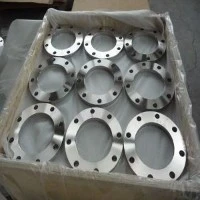
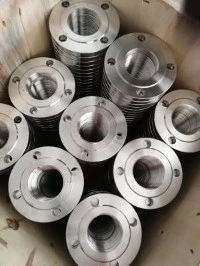
GOST Blind Flanges are manufactured according to the standards set by the State Standard of the Soviet Union (GOST). These flanges are used to close the end of a pipe, valve, or vessel, providing a seal and preventing the flow of fluid. They come in various sizes, materials, and pressure ratings to meet different industrial requirements. For instance, the GOST 12820 Steel Flange and GOST33259 CT20 Steel Flange are two common types that fall under the GOST standards, and they share similar design principles with GOST Blind Flanges.
The main function of a GOST Blind Flange is to create a reliable closure for a piping system. It is typically bolted to the end of a pipe or equipment, and a gasket is placed between the flange faces to ensure a tight seal. This design allows for easy access to the interior of the piping system for maintenance, inspection, or modification.
Corrosive Environments: A Challenge for Industrial Components
Corrosive environments are characterized by the presence of substances that can cause chemical reactions with materials, leading to their deterioration. These substances can include acids, alkalis, salts, and oxygen, among others. In industries such as chemical processing, oil and gas, and wastewater treatment, pipes and components are constantly exposed to these corrosive agents, which can significantly reduce their lifespan and performance.
The effects of corrosion on industrial components can be severe. It can lead to leaks, structural failures, and increased maintenance costs. Therefore, when selecting components for use in corrosive environments, it is essential to consider their corrosion resistance properties.
Factors Affecting the Corrosion Resistance of GOST Blind Flanges
Material Selection
The choice of material is one of the most critical factors in determining the corrosion resistance of GOST Blind Flanges. Common materials used for manufacturing these flanges include carbon steel, stainless steel, and alloy steel.
- Carbon Steel: Carbon steel is a widely used material for GOST Blind Flanges due to its low cost and high strength. However, it has relatively poor corrosion resistance, especially in environments containing moisture, acids, or salts. In such conditions, carbon steel can rust quickly, which can compromise the integrity of the flange and the entire piping system.
- Stainless Steel: Stainless steel is a popular choice for applications in corrosive environments. It contains chromium, which forms a passive oxide layer on the surface of the material, protecting it from corrosion. Different grades of stainless steel have varying levels of corrosion resistance, depending on their chemical composition. For example, austenitic stainless steels, such as 304 and 316, are known for their excellent corrosion resistance in a wide range of environments, including those with mild acids and chlorides.
- Alloy Steel: Alloy steel is another option for GOST Blind Flanges in corrosive environments. By adding elements such as nickel, molybdenum, and copper to the steel, its corrosion resistance can be significantly improved. Alloy steels are often used in more severe corrosive conditions, such as those found in the oil and gas industry.
Surface Treatment
In addition to material selection, surface treatment can also enhance the corrosion resistance of GOST Blind Flanges. Common surface treatments include painting, galvanizing, and coating with epoxy or other protective materials.
- Painting: Painting the surface of the flange can provide a barrier between the metal and the corrosive environment. However, the effectiveness of the paint depends on its quality and the proper application process. Over time, the paint may chip or peel, exposing the metal to corrosion.
- Galvanizing: Galvanizing involves coating the flange with a layer of zinc, which acts as a sacrificial anode. The zinc corrodes preferentially to the underlying steel, protecting it from corrosion. Galvanized flanges are commonly used in outdoor or mildly corrosive environments.
- Coating with Epoxy or Other Protective Materials: Epoxy coatings and other protective materials can provide excellent corrosion resistance. These coatings can be applied to the flange surface to form a durable and chemical-resistant barrier. They are often used in more severe corrosive environments, such as those in the chemical industry.
Design and Installation
The design and installation of GOST Blind Flanges can also affect their corrosion resistance. A proper design should ensure that the flange is compatible with the piping system and the operating conditions. For example, the flange should have the correct size, pressure rating, and bolt pattern to ensure a tight and reliable seal.
During installation, it is important to follow the manufacturer's instructions and use the correct gasket and bolts. Improper installation can lead to leaks, which can expose the flange to the corrosive environment and accelerate corrosion.

Case Studies: GOST Blind Flanges in Corrosive Environments
To illustrate the performance of GOST Blind Flanges in corrosive environments, let's look at some case studies.
Chemical Processing Plant
In a chemical processing plant, GOST Blind Flanges made of stainless steel were used to close the ends of pipes carrying corrosive chemicals. The plant had a harsh environment with high concentrations of acids and alkalis. The stainless steel flanges, specifically grade 316, were chosen for their excellent corrosion resistance. After several years of operation, the flanges showed minimal signs of corrosion, and the piping system remained leak-free. This case demonstrates that when the appropriate material is selected, GOST Blind Flanges can perform well in highly corrosive environments.
Oil and Gas Platform
On an oil and gas platform, carbon steel GOST Blind Flanges were initially used in a seawater injection system. However, due to the high salinity and oxygen content in the seawater, the carbon steel flanges corroded rapidly. After a few months, the flanges started to show signs of rust and leakage. To address this issue, the carbon steel flanges were replaced with galvanized flanges. The galvanized coating provided an additional layer of protection, and the corrosion rate was significantly reduced. This case highlights the importance of considering the specific corrosive agents in the environment when selecting GOST Blind Flanges.
Conclusion: Can GOST Blind Flanges be Used in Corrosive Environments?
The answer is yes, but with certain considerations. GOST Blind Flanges can be used in corrosive environments if the appropriate material, surface treatment, design, and installation are chosen. Stainless steel and alloy steel flanges are generally more suitable for highly corrosive environments, while carbon steel flanges may require additional protection, such as galvanizing or coating.
As a supplier of GOST Blind Flanges, I understand the importance of providing high-quality products that meet the specific needs of my customers. I offer a wide range of GOST Blind Flanges in different materials and sizes, and I can provide expert advice on material selection and surface treatment based on the operating conditions.
If you are in need of GOST Blind Flanges for your industrial piping system, especially in a corrosive environment, I encourage you to contact me for a detailed discussion. We can work together to find the best solution for your specific requirements and ensure the long-term performance and reliability of your piping system.
References
- ASME B16.5 - Pipe Flanges and Flanged Fittings
- ASTM A105/A105M - Standard Specification for Carbon Steel Forgings for Piping Applications
- ISO 15156 - Petroleum and natural gas industries — Materials for use in H2S-containing environments in oil and gas production