Hey there! I'm a supplier of SR Elbows, and I've seen firsthand how frustrating it can be when these elbows experience recurrence issues. In this blog, I'll share some tips on how you can reduce the risk of SR Elbow recurrence.
First off, let's understand what SR Elbow recurrence is. SR Elbows, or Short Radius Elbows, are used in various piping systems to change the direction of flow. Recurrence problems can manifest as leaks, cracks, or failures in the elbow joints, which can lead to costly repairs and downtime.
1. Quality of Materials
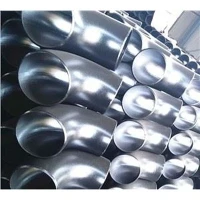
One of the most important factors in reducing the risk of SR Elbow recurrence is the quality of the materials used. When you're sourcing SR Elbows, make sure you're getting them from a reliable supplier. We offer a wide range of high - quality elbows, like the Stainless Steel Bends Elbows. Stainless steel is known for its corrosion resistance and durability, which can significantly extend the lifespan of your elbows.


Corrosion is a major culprit when it comes to elbow failure. If the material isn't resistant to the chemicals or environmental conditions in your piping system, it can start to break down over time. By choosing a high - quality stainless steel elbow, you're giving your system a better chance of long - term success.
2. Proper Installation
Installation plays a huge role in preventing SR Elbow recurrence. A poorly installed elbow can lead to stress concentration, which can cause cracks and leaks. Make sure that the installation is done by trained professionals who understand the specific requirements of SR Elbows.
During installation, it's important to ensure that the elbows are properly aligned. Misalignment can put extra stress on the joints, increasing the risk of failure. Also, use the right tools and techniques for tightening the connections. Over - tightening or under - tightening can both lead to problems.
For example, our 90 Degree Lr Elbow needs to be installed with precision. The long radius design of this elbow is meant to provide a smooth flow of fluid, but if it's not installed correctly, this advantage can be lost.
3. Regular Maintenance
Regular maintenance is key to reducing the risk of SR Elbow recurrence. You should have a maintenance schedule in place to inspect your elbows for any signs of wear and tear. Look for things like corrosion, cracks, or loose connections.
If you notice any issues during an inspection, address them immediately. Small problems can quickly turn into big ones if left untreated. For instance, a small crack in an elbow can grow over time and eventually lead to a major leak.
You can also perform preventive maintenance tasks, such as cleaning the elbows to remove any debris or buildup that could cause blockages or corrosion. Using the right cleaning agents is important to avoid damaging the material of the elbows. Our Seamless Elbow requires proper cleaning to maintain its smooth interior surface, which helps with fluid flow.
4. Operating Conditions
Understanding and controlling the operating conditions of your piping system can also reduce the risk of SR Elbow recurrence. Factors like temperature, pressure, and flow rate can all affect the performance of your elbows.
If the operating temperature is too high or too low for the material of the elbow, it can cause expansion or contraction, leading to stress on the joints. Make sure that the elbows you choose are rated for the temperature range of your system.
Similarly, excessive pressure can put a lot of strain on the elbows. If your system operates at high pressure, make sure you're using elbows that are designed to handle it. You may need to consult with an engineer to determine the appropriate elbows for your specific pressure requirements.
5. Compatibility
Ensuring compatibility between the SR Elbows and other components in your piping system is crucial. The elbows need to be compatible with the pipes, valves, and other fittings in terms of size, material, and pressure ratings.
Using incompatible components can lead to leaks and failures. For example, if the pipe and the elbow have different wall thicknesses or material properties, it can create a weak point in the system. Make sure to carefully select all the components to ensure a seamless fit.
6. Training and Education
Providing training and education to your staff can go a long way in reducing the risk of SR Elbow recurrence. Your employees should understand how to operate, maintain, and troubleshoot the piping system.
They should know the signs of potential problems and how to take appropriate action. For example, if they notice a small leak, they should know whether to shut down the system or make a temporary repair until a professional can arrive.
Conclusion
Reducing the risk of SR Elbow recurrence requires a comprehensive approach. By focusing on the quality of materials, proper installation, regular maintenance, operating conditions, compatibility, and training, you can significantly extend the lifespan of your elbows and avoid costly repairs and downtime.
If you're in the market for high - quality SR Elbows, we're here to help. We offer a wide range of elbows that are designed to meet the needs of various piping systems. Whether you need Stainless Steel Bends Elbows, 90 Degree Lr Elbow, or Seamless Elbow, we've got you covered.
Contact us to discuss your specific requirements and start a procurement conversation. We're confident that we can provide you with the best solutions for your piping system.
References
- "Piping Engineering Handbook" by George A. Antaki
- "Pipeline Rules of Thumb Handbook" by Eugene Shashi Menon