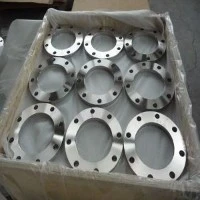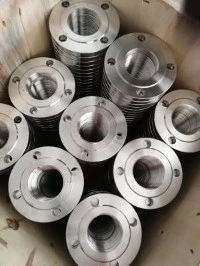
As a supplier of ANSI Blind Flanges, the corrosion - resistance properties of these essential components are a topic of great significance. In industrial applications, where flanges are employed in a wide range of processes and environments, understanding their ability to resist corrosion is crucial for long - term performance, safety, and cost - effectiveness.
The Significance of Corrosion Resistance
Corrosion is a natural process that gradually deteriorates metals by chemical or electrochemical reactions with their environment. This can lead to structural failure, leakage, and ultimately, costly downtime in industrial operations. ANSI Blind Flanges, which are used to seal the end of a pipe system, are no exception to this threat. Their corrosion resistance directly impacts the integrity of the entire piping system. For example, in chemical processing plants, a corroded blind flange could result in the leakage of hazardous chemicals, posing significant risks to both the environment and human health.
Factors Affecting the Corrosion - Resistance of ANSI Blind Flanges
Material Composition
The choice of material is one of the most critical factors influencing the corrosion resistance of ANSI Blind Flanges. Common materials used include carbon steel, stainless steel, and alloy steel. Carbon steel is widely used due to its relatively low cost and high strength. However, it is prone to corrosion in the presence of moisture and oxygen, which form rust.
Stainless steel, on the other hand, contains chromium, which forms a passive oxide layer on the surface of the flange. This layer acts as a barrier, preventing further oxidation and corrosion. For instance, 304 and 316 stainless steel grades are popular choices for ANSI Blind Flanges because they offer excellent corrosion resistance in a variety of environments, including mild chemical and marine applications.
Alloy steel flanges are tailored to specific corrosion - resistant requirements. They are often used in more extreme environments, such as those with high temperatures or aggressive chemical exposures. These alloys can contain elements like nickel, molybdenum, and titanium, which enhance their corrosion - resistance properties.
Coating and Surface Treatment
Applying coatings and surface treatments can significantly improve the corrosion resistance of ANSI Blind Flanges. Epoxy coatings are commonly used because they provide a protective barrier against moisture and chemicals. These coatings can be applied in various thicknesses, depending on the severity of the environment. For example, in offshore oil and gas platforms, where flanges are exposed to saltwater and harsh weather conditions, thick epoxy coatings are often used to ensure long - term corrosion protection.
Another surface treatment method is galvanization, which involves coating the flange with a layer of zinc. Zinc is a sacrificial metal, meaning it corrodes preferentially to the base metal, protecting the flange from rust and corrosion. Galvanized ANSI Blind Flanges are commonly used in outdoor applications, such as water treatment plants and sewage systems.
Environmental Conditions
The environment in which the ANSI Blind Flanges are installed plays a significant role in their corrosion - resistance. In a marine environment, the high salt content in the air and seawater can accelerate the corrosion process. Flanges used in this environment need to be made of highly corrosion - resistant materials, such as stainless steel or have effective coating protection.
In chemical plants, different chemicals can react with the flange material in various ways. For example, acidic or alkaline solutions can cause localized corrosion or general surface deterioration. Understanding the specific chemical composition of the process fluid is essential for selecting the appropriate flange material and ensuring its long - term corrosion resistance.


Assessing the Corrosion - Resistance of ANSI Blind Flanges
Various methods are used to assess the corrosion resistance of ANSI Blind Flanges. One common approach is the salt spray test, where the flange is exposed to a salt - water mist in a controlled environment for a specified period. After the test, the flange is examined for signs of corrosion, such as rust spots or pitting. The extent of corrosion is then used to evaluate the flange's ability to resist corrosion.
Electrochemical methods can also be used to measure the corrosion rate of the flange. These methods involve measuring the electrical properties of the flange in contact with an electrolyte, which can provide information about the corrosion mechanism and rate.
Comparison with Other Types of ANSI Flanges
When comparing ANSI Blind Flanges with other types of ANSI flanges, such as ANSI DN50 Slip On Flange and Class 600 Welding Neck Flanges, their corrosion - resistance properties are generally similar when made of the same material. However, the design and installation of the flange can affect its exposure to the corrosive environment.
For example, slip - on flanges are easier to install but may have a larger contact area with the pipe, which could potentially increase the risk of crevice corrosion if not properly sealed. Welding neck flanges, on the other hand, are welded directly to the pipe, providing a more secure connection. This can reduce the risk of leakage and corrosion at the joint.
The Asa Class 150 Standard Flange also has its unique characteristics in terms of corrosion resistance. Depending on the application and the environment, different types of flanges may be more suitable. For instance, in low - pressure systems with mild corrosion risks, a Class 150 standard flange may be a cost - effective choice.
Maintaining the Corrosion - Resistance of ANSI Blind Flanges
Regular inspection and maintenance are essential for maintaining the corrosion resistance of ANSI Blind Flanges. Visual inspections can be carried out to check for signs of corrosion, such as discoloration, rust, or pitting. If any signs of corrosion are detected, appropriate measures should be taken immediately.
This may involve cleaning the flange surface, removing any corrosion products, and reapplying a protective coating if necessary. In some cases, if the corrosion is severe, the flange may need to be replaced to ensure the integrity of the piping system.
Conclusion
The corrosion - resistance properties of ANSI Blind Flanges are crucial for their long - term performance in industrial applications. By carefully selecting the appropriate material, applying effective coating and surface treatments, and considering the environmental conditions, the risk of corrosion can be significantly reduced.
As a supplier of ANSI Blind Flanges, we are committed to providing high - quality products with excellent corrosion - resistance properties. Our team of experts can help you select the most suitable flange for your specific application, ensuring the safety and efficiency of your piping system.
If you are interested in purchasing ANSI Blind Flanges or have any questions regarding their corrosion - resistance and other properties, please feel free to contact us for further discussion and procurement negotiation. We look forward to working with you.
References
- Jones, D. A. (2019). Principles and Prevention of Corrosion. Pearson.
- Fontana, M. G. (2016). Corrosion Engineering. McGraw - Hill Education.