Hey there! As a supplier of DIN Steel Flanges, I often get asked about the differences between DIN 2501 and other DIN steel flange standards. Today, I'm gonna break it down for you in a way that's easy to understand.
First things first, DIN standards are a big deal in the world of steel flanges. They're the go - to norms in Germany and are widely recognized and used across the globe. Each DIN standard has its own unique features, and DIN 2501 is no exception.
DIN 2501 in a Nutshell
DIN 2501 is one of the most well - known DIN flange standards. It's mainly concerned with the basic dimensions of steel flanges. This standard gives us the sizes, like the outer diameter, bolt hole diameter, and pitch circle diameter of the flanges. It's like a blueprint that ensures compatibility when connecting pipes and other equipment.
One of the cool things about DIN 2501 is its simplicity. It sets the ground rules for flange dimensions, making it easier for manufacturers to produce flanges that fit together seamlessly. For example, if you're building a pipeline system, you can trust that flanges made according to DIN 2501 will align properly with other components in the system.
Now, let's take a look at some of the differences between DIN 2501 and other DIN steel flange standards.


Comparing with DIN 2527
DIN 2527 is another important DIN standard, and it specifically deals with blind flanges. Blind flanges are used to close the end of a pipe or a vessel. Unlike DIN 2501 which focuses on the general dimensions of all types of flanges, DIN 2527 zeroes in on the details of blind flanges.
For instance, a Blind Flange DNDN20 - PN16 produced according to DIN 2527 will have specific design features for sealing the pipe end. It will have a solid face without a central hole, and the dimensions will be tailored to ensure a tight seal. While DIN 2501 gives the basic size framework, DIN 2527 refines those dimensions for the unique function of blind flanges.
Difference from DIN 2573 and DIN 2576
DIN 2573 and DIN 2576 are related to threaded flanges. These standards define the threading specifications for flanges, which is a crucial aspect when it comes to connecting pipes. Threaded flanges are great for applications where welding isn't an option or where you need a more flexible connection.
DIN 2501 doesn't cover the threading details. Its main concern is the overall size of the flange. So, when we're looking at a DIN PN16 DN80 Carbon Steel Flange, if it's a threaded flange made according to DIN 2573 or DIN 2576, there'll be specific threading requirements for easy installation and a secure connection. You can't find such info in DIN 2501.
Contrasting with DIN 2632 - DIN 2638
The DIN 2632 - DIN 2638 series is all about weld - neck flanges. Weld - neck flanges are known for their high strength and are often used in high - pressure and high - temperature applications.
These standards provide detailed guidelines on the shape of the neck, the welding bevel, and other features related to welding. DIN 2501, on the other hand, just gives the basic dimensions of the flange body. So, if you're using a weld - neck flange from the DIN 2632 - DIN 2638 range, you'll have a lot more information about how to weld it properly compared to what DIN 2501 offers.
Impact on Manufacturing and Selection
As a supplier, understanding these differences is super important. When it comes to manufacturing, different standards mean different production processes. For example, making a blind flange according to DIN 2527 requires different machining operations than making a standard flange based on DIN 2501.
For customers, these differences matter a lot when selecting the right flange for their projects. If you're working on a low - pressure water supply system, a simple flange made according to DIN 2501 might be sufficient. But if you're dealing with high - pressure steam in a power plant, you'll probably need a weld - neck flange from the DIN 2632 - DIN 2638 series.
Our Product Range
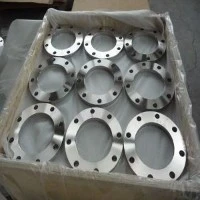
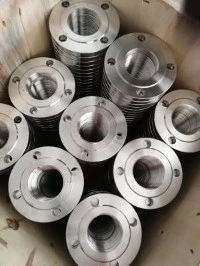
We offer a wide range of DIN steel flanges, including those made according to DIN 2501 and other standards. Our DIN Standard Plate Steel Flange is a popular choice for many general - purpose applications. It's made with high - quality carbon steel and adheres strictly to DIN standards.
Whether you need a basic flange for a simple project or a specialized one for a complex industrial application, we've got you covered. Our team of experts can help you choose the right flange based on your specific requirements.
Why Choose Us?
We take pride in our products. All our flanges are thoroughly tested to ensure they meet the highest quality standards. We also offer competitive prices and fast delivery times. Our goal is to make the process of buying DIN steel flanges as easy and hassle - free as possible for our customers.
If you're in the market for DIN steel flanges, don't hesitate to reach out. We're here to answer all your questions and guide you through the selection process. Whether you're a contractor, an engineer, or a DIY enthusiast, we can provide the right flanges for your needs.
So, if you have any projects coming up that require DIN steel flanges, just drop us a line. Let's discuss your requirements and find the perfect flanges for your job.
References
- DIN Standards Handbook: Flanges and Their Joints
- Technical Documentation on Steel Flange Manufacturing