Expansion joints play a crucial role in EN flange systems, as they help to absorb thermal expansion, vibration, and misalignment. This allows for a more reliable and durable piping system. As an EN flange supplier, we understand the importance of choosing the right expansion joint for your specific application. In this blog post, we will explore the various expansion joint options available for EN flange systems, helping you make an informed decision.
Understanding Expansion Joints in EN Flange Systems
EN flange systems are designed in accordance with European standards, and they are widely used in various industries, including oil and gas, chemical, and water treatment. These systems require components that can withstand high pressures and temperatures while maintaining a tight seal. Expansion joints are essential components that can accommodate the dynamic forces acting on the piping system.
Types of Expansion Joints for EN Flange Systems
Bellows Expansion Joints
Bellows expansion joints are one of the most common types used in EN flange systems. They are made of a series of convolutions that can compress and expand axially, laterally, and angularly.
- Axial Bellows Expansion Joints: These expansion joints are designed to absorb movement in the axial direction, which is along the centerline of the pipe. They are suitable for applications where there is mainly thermal expansion or contraction in a straight pipeline.
- Lateral Bellows Expansion Joints: Lateral bellows expansion joints are used to absorb lateral movement, which is perpendicular to the pipe's centerline. This type of movement can occur due to temperature changes, pipe settling, or equipment vibration.
- Angular Bellows Expansion Joints: Angular bellows expansion joints accommodate angular movement, which is the bending of the pipe at a joint. They are often used in piping systems where there are changes in direction.
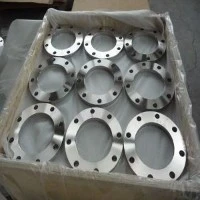
Bellows expansion joints can be made from various materials, including stainless steel, carbon steel, and alloy steel. For example, in our product range, we offer EN1092 - 1 PN16 Carbon Steel Flange which can be paired with bellows expansion joints made of similar materials for a well - integrated system.
Rubber Expansion Joints
Rubber expansion joints are another popular option for EN flange systems. They are made of natural or synthetic rubber and are often reinforced with fabric or steel cords.
- Advantages of Rubber Expansion Joints: Rubber expansion joints offer excellent vibration isolation, noise reduction, and corrosion resistance. They can absorb large amounts of movement in multiple directions and are suitable for low - pressure applications.
- Applications: They are commonly used in water supply and drainage systems, HVAC systems, and industrial piping systems where flexibility and noise reduction are important.
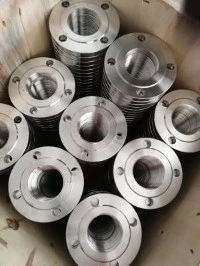
When using rubber expansion joints with EN flanges, it is important to ensure proper flange selection. Our EN1092 - 1 PN16 Forged Carbon Steel Flange can be a good choice for applications where rubber expansion joints are used, as they provide a strong and reliable connection.
Metal Hose Expansion Joints
Metal hose expansion joints are made of a flexible metal hose that can be corrugated or smooth.
- Features: They offer high flexibility and can absorb movement in multiple directions. Metal hose expansion joints are also resistant to high temperatures, pressures, and corrosion.
- Applications: They are often used in high - temperature and high - pressure applications, such as in steam lines, exhaust systems, and chemical processing plants.
When considering metal hose expansion joints for an EN flange system, the flange must be compatible with the hose material. Our EN 1092 - 1 PN16 Steel Plate Flange can be a suitable option for connecting metal hose expansion joints.
Factors to Consider When Choosing Expansion Joints
- Movement Requirements: Determine the amount and type of movement (axial, lateral, angular) that the expansion joint needs to absorb. This will depend on the operating conditions of the piping system, such as temperature changes and equipment vibration.
- Pressure and Temperature: Consider the operating pressure and temperature of the system. Different expansion joint materials have different pressure and temperature ratings, so it is important to choose a joint that can withstand the specific conditions.
- Corrosion Resistance: If the piping system carries corrosive fluids, choose an expansion joint material that is resistant to corrosion. Rubber expansion joints may be suitable for some non - aggressive chemicals, while stainless steel or alloy steel bellows expansion joints are better for highly corrosive environments.
- Flange Compatibility: Ensure that the expansion joint is compatible with the EN flange in terms of size, bolt pattern, and material. A proper fit is essential for a leak - free and reliable connection.
Installation and Maintenance of Expansion Joints
Proper installation of expansion joints is crucial for their performance and longevity. Here are some installation tips:


- Follow Manufacturer's Instructions: Always follow the installation instructions provided by the expansion joint manufacturer. This includes proper alignment, bolt tightening procedures, and any special requirements.
- Inspection: Inspect the expansion joint before installation to ensure that it is free from damage. Check for any signs of cracks, dents, or improper manufacturing.
Maintenance of expansion joints is also important to ensure their continued performance. Regular inspections should be carried out to check for signs of wear, corrosion, or damage. Any damaged expansion joints should be replaced immediately to prevent leaks and system failures.
Conclusion
Choosing the right expansion joint for your EN flange system is essential for the reliability and performance of your piping system. Whether you need a bellows expansion joint for high - pressure applications, a rubber expansion joint for vibration isolation, or a metal hose expansion joint for high - temperature environments, there are options available to meet your specific needs.
As an EN flange supplier, we are committed to providing high - quality flanges and assisting our customers in selecting the most suitable expansion joints for their systems. If you are looking for reliable EN flanges and expansion joint solutions, we invite you to contact us for professional advice and procurement discussions. Together, we can ensure the success of your piping projects.
References
- "Piping Handbook" by Mohan L. Nayyar
- "Standards for Pipe Flanges and Flanged Fittings" by the European Committee for Standardization (CEN)