Hey there! I'm a supplier of DIN steel flanges, and today I wanna chat about the different packaging methods for these awesome products. DIN steel flanges are used in a whole bunch of industries, like oil and gas, water treatment, and power generation. Since they're pretty important, it's super crucial to package them properly to make sure they reach our customers in tip - top shape.
1. Wooden Crates
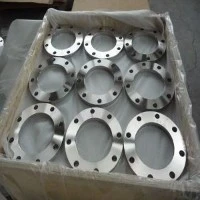
One of the most common packaging methods for DIN steel flanges is using wooden crates. These crates are sturdy and can protect the flanges from physical damage during transit. They're made from high - quality wood that can withstand a fair amount of rough handling.
The flanges are first wrapped in a layer of protective material, like plastic film or bubble wrap. This helps prevent scratches and minor dents. Then, they're carefully placed inside the wooden crate. We usually use dividers to separate the flanges from each other, so they don't bump into one another during shipping.
Wooden crates are great because they're customizable. We can make them in different sizes depending on the quantity and size of the flanges we're shipping. Also, they're environmentally friendly as wood is a renewable resource. But, they do have a bit of a downside. They're relatively heavy, which can add to the shipping costs. And if they get wet, there's a risk of the wood rotting over time.
2. Steel Containers
Another option for packaging DIN steel flanges is steel containers. These are really tough and can offer excellent protection against impact, moisture, and even theft. Steel containers are often used when shipping large quantities of flanges or when the destination is in a harsh environment.
Similar to wooden crates, the flanges are wrapped in protective material before being loaded into the steel container. The containers are sealed tightly to keep out moisture and dust. They also come with locking mechanisms, which is a plus for security.
The advantage of steel containers is their durability. They can last for a long time and can be reused multiple times. However, they're quite expensive to purchase and maintain. And they're also very heavy, which can significantly increase the shipping weight and cost.
3. Cardboard Boxes
For smaller DIN steel flanges or when shipping in smaller quantities, cardboard boxes can be a cost - effective option. Cardboard boxes are lightweight, which helps keep the shipping costs down. They're also easy to handle and can be printed with important information like the product name, size, and quantity.
Before putting the flanges in the cardboard box, we wrap them in a soft material, like foam or tissue paper, to protect them from scratches. Then, we fill any empty space in the box with packing peanuts or shredded paper to prevent the flanges from moving around.
The drawback of cardboard boxes is that they're not as strong as wooden crates or steel containers. They can easily get damaged if they're exposed to moisture or rough handling. So, they're usually only suitable for short - distance or low - risk shipments.
4. Pallet Wrapping
Pallet wrapping is a popular method when shipping multiple DIN steel flanges. First, the flanges are placed on a pallet. Then, a stretch film is wrapped around the flanges and the pallet to hold them securely in place.
This method is quick and efficient. It allows for easy handling with forklifts or pallet jacks. And it's relatively inexpensive compared to using wooden crates or steel containers. The stretch film provides some protection against dust and minor scratches.
However, pallet wrapping doesn't offer as much protection as other methods. The flanges are more exposed, and there's a risk of them getting damaged if the pallet is dropped or mishandled.
Specific Flange Packaging Considerations
DIN 2527 Blind Flange
The DIN 2527 Blind Flange is a type of flange used to close the end of a pipe. When packaging these, we need to pay special attention to protecting the sealing surface. We often use a soft rubber or plastic cover to prevent any damage to the surface. Depending on the quantity, we might use wooden crates for larger orders or cardboard boxes for smaller ones.
DIN 2631 Weld Neck Steel Flange
The DIN 2631 Weld Neck Steel Flange has a long tapered hub, which makes it a bit more challenging to package. We usually wrap the hub with a thick layer of protective material to prevent it from getting bent or damaged. Steel containers or wooden crates are commonly used for these flanges, especially when shipping long - distance.
DIN EN Standard Steel Plate Flange
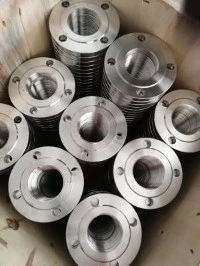
The DIN EN Standard Steel Plate Flange is flat and relatively easy to stack. We can use pallet wrapping for smaller quantities or wooden crates for larger shipments. When stacking these flanges, we make sure to use spacers to prevent scratching between the flanges.
Conclusion
In conclusion, choosing the right packaging method for DIN steel flanges depends on several factors, such as the size and quantity of the flanges, the shipping distance, and the destination environment. Each packaging method has its own pros and cons, and we need to weigh them carefully to ensure the flanges arrive at our customers' hands in perfect condition.
If you're in the market for DIN steel flanges and want to discuss the best packaging options for your order, don't hesitate to reach out. We're always here to help you find the most suitable solution for your needs. Let's have a chat and get your order sorted!


References
- "Packaging Handbook" by John A. Robertson
- Industry standards for DIN steel flanges and packaging