Hey there, folks! As a supplier of steel plate flanges, I often get asked about the differences between one - piece and split steel plate flanges. So, I thought I'd take a few minutes to break it down for you.
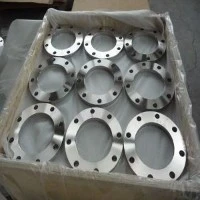
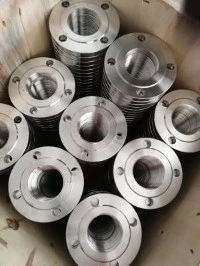
Let's start with one - piece steel plate flanges. These bad boys are exactly what they sound like: a single, solid piece of steel that's been shaped into a flange. One of the biggest advantages of one - piece flanges is their strength. Since there are no joints or seams, they can handle a lot of pressure without cracking or leaking. This makes them a great choice for high - pressure applications, like in oil and gas pipelines or industrial machinery.
Another cool thing about one - piece flanges is their simplicity. They're easy to install because there's no need to align multiple pieces. You just bolt it on, and you're good to go. This not only saves you time but also reduces the chances of installation errors.
However, one - piece flanges do have a few drawbacks. They're not very flexible. Once you've installed a one - piece flange, it's pretty much set in stone. If you need to make any changes or repairs, you might have to remove the whole flange and replace it. This can be a huge hassle, especially in hard - to - reach areas.
Also, one - piece flanges can be a bit pricey. The manufacturing process is more complex because the entire piece has to be forged or machined from a single block of steel. So, if you're on a tight budget, you might want to look at other options.
Now, let's talk about split steel plate flanges. These flanges are made up of two or more pieces that are bolted together. The big advantage here is flexibility. Split flanges are much easier to install and remove, especially in existing pipelines. You can install them around the pipe without having to cut the pipe or remove any sections. This is a big time - saver, especially in maintenance and repair work.
Split flanges are also more cost - effective. Since they're made up of multiple pieces, the manufacturing process is simpler and less expensive. This means you can get a high - quality split flange at a lower price than a one - piece flange.
But split flanges aren't perfect either. The main drawback is their strength. Because of the joints between the pieces, split flanges aren't as strong as one - piece flanges. They're more likely to leak under high pressure, so they're not ideal for applications where you need to handle a lot of stress.
When it comes to choosing between a one - piece and a split steel plate flange, it really depends on your specific needs. If you're working on a high - pressure project where strength is key, a one - piece flange is probably your best bet. You can check out some great options like the Astm A105 Flange on our website. It's a high - quality one - piece flange that can handle a lot of pressure.
On the other hand, if you're doing maintenance work or need a more flexible solution, a split flange might be the way to go. We have some great ANSI B16.5 Yellow Painting Steel Flange options that are split and offer good value for money.


For smaller applications, like in a water pipeline, a DN50 Mild Steel Flange could be a great choice. It's available in both one - piece and split versions, so you can pick the one that suits you best.
In conclusion, whether you choose a one - piece or a split steel plate flange, it's important to consider your project requirements, budget, and installation needs. And if you're still not sure which one is right for you, don't hesitate to reach out. Our team of experts is always here to help you make the best decision for your project.
So, if you're in the market for steel plate flanges, we're here to provide you with top - quality products at competitive prices. Whether you need a one - piece or a split flange, we've got you covered. Let's start this procurement journey together, and I'm sure we can find the perfect solution for your needs. Contact us, and let's have a chat about your project.
References
- Industry knowledge and experience from working as a steel plate flange supplier.
- General understanding of engineering principles related to flanges in mechanical and pipeline systems.