Hey there! I'm a supplier of steel plate flanges, and today I wanna have a chat with you about something that's super important in our industry - the impact of flange material hardness on gasket selection.
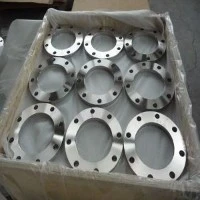
First off, let's talk a bit about flanges. As you know, flanges are used to connect pipes, valves, and other equipment in a piping system. They come in all sorts of materials for different applications. For instance, we've got GOST Steel Flange which are widely used in industries that follow the GOST standards. These flanges are designed to meet specific requirements and offer great performance within their application scope.
Now, hardness of the flange material has a big say in how we choose the right gasket. Gaskets are crucial for creating a tight seal between two flanges, preventing leaks of fluids or gases. But if you pick the wrong gasket for a flange with a certain hardness, you're in for trouble - leaks, reduced efficiency, and even potential safety hazards.
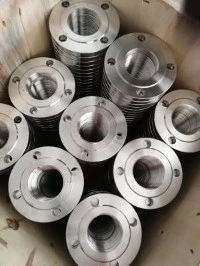
If the flange material is too hard, say a 4 Inch Forged Stainless Steel Flanges that's been heat - treated to have a high hardness level. These flanges are strong and durable, but they can pose challenges when it comes to gasket selection. A hard flange surface can easily damage a soft gasket. Soft gaskets, like those made of rubber or some types of cork, might get crushed or cut by the hard edges of the flange. This can lead to a poor seal, and over time, the gasket will fail, causing leaks.
On the other hand, if the flange is made of a relatively soft material, such as some low - carbon steels used in PN16 Carbon Steel Blind Flange, the situation is different. A very hard gasket might indent or deform the soft flange surface. This indentation can disrupt the flatness of the flange, making it difficult to achieve a proper seal even with a new gasket.
So, how do we match the right gasket to the flange hardness? Well, for hard flanges, we usually look for gaskets with a higher hardness or better resistance to deformation. Metallic gaskets, for example, are a great choice. They can withstand the pressure from the hard flange surface without getting damaged easily. Some common metallic gaskets include spiral - wound gaskets with a metal core and soft filler material. The metal core provides the necessary strength, while the filler material helps to conform to the flange surface and create a good seal.
For softer flanges, we need gaskets that are soft enough not to damage the flange but still have enough resilience to maintain a seal. Non - metallic gaskets like compressed fiber gaskets are often used in these cases. They can adapt to the shape of the flange surface without causing excessive indentation.
Another factor related to flange hardness and gasket selection is the operating conditions of the piping system. If the system operates under high pressure and high temperature, the requirements for both the flange and the gasket become more stringent. A hard flange might be necessary to withstand the pressure, but we also need a gasket that can handle the temperature and still maintain its sealing properties. In such cases, we might choose a gasket made of special materials like graphite - based gaskets, which have excellent heat resistance and can work well with hard flanges.
In addition to the hardness of the flange material, the surface finish of the flange also plays a role. A rough - surfaced hard flange can cause more damage to a gasket compared to a smooth - surfaced one. So, when selecting a gasket, we also need to consider the surface finish of the flange. If the flange has a rough surface, we might need a gasket with better conformability to ensure a good seal.


Let's take a real - world example. Suppose you're working on an oil refinery project. The pipes in the refinery are under high pressure and carry hot, corrosive fluids. You've got some 4 Inch Forged Stainless Steel Flanges that are quite hard. In this situation, you can't just use any old gasket. You need a gasket that can resist the corrosion from the fluids, handle the high temperature, and withstand the pressure from the hard flange. A spiral - wound gasket with a stainless - steel core and a graphite filler would be a great option here. The stainless - steel core provides strength against the hard flange, and the graphite filler offers excellent corrosion resistance and heat resistance.
As a steel plate flange supplier, I've seen firsthand how important it is to get the gasket selection right based on the flange material hardness. Making the wrong choice can lead to costly repairs, downtime, and safety risks. That's why I always recommend working closely with your gasket suppliers to understand the properties of both the flange and the gasket.
If you're in the market for steel plate flanges or have questions about gasket selection based on flange hardness, don't hesitate to reach out. We're here to help you make the best choices for your projects. Whether you need GOST Steel Flange, 4 Inch Forged Stainless Steel Flanges, or PN16 Carbon Steel Blind Flange, we can provide high - quality products. Let's have a chat and discuss how we can meet your specific needs.
References:
- ASME B16.5 - Standard for Pipe Flanges and Flanged Fittings
- API 605 - Specification for Large - Diameter Carbon Steel Flanges
- Manufacturer's documentation on flange and gasket materials