Hey there! As a supplier of NPT threaded flanges, I've seen firsthand how crucial it is to ensure top - notch thread quality. You know, a single faulty thread can lead to leaks, equipment failures, and a whole lot of headaches down the line. So, today, I'm gonna share some tips on how to check the thread quality of an NPT threaded flange.
Understanding NPT Threads
First things first, let's quickly go over what NPT threads are. NPT, or National Pipe Taper, is a standard for tapered threads used in North America for pipes and fittings. The taper of these threads helps create a tight seal by increasing the compression as the fitting is tightened.
NPT threads have a 60 - degree thread angle and a taper of 1 in 16 (which means for every 16 units of length, the diameter changes by 1 unit). This taper is what gives NPT its unique sealing properties. But because of this taper, checking the thread quality is a bit more involved than with straight threads.
Visual Inspection
The first step in checking the thread quality is a good old - fashioned visual inspection. Grab a magnifying glass or use a borescope if you have one. Look for any obvious signs of damage like:
-
Chips and Cracks: These can be a big red flag. Chips might occur during manufacturing or handling, and they can weaken the thread and prevent a proper seal. Cracks can be even worse, potentially leading to complete failure of the flange under pressure.
-
Burrs: Burrs are those small, rough edges or projections that can form on the threads. They can interfere with the proper mating of the threads and cause leaks. If you spot any burrs, they can often be removed with a deburring tool.
-
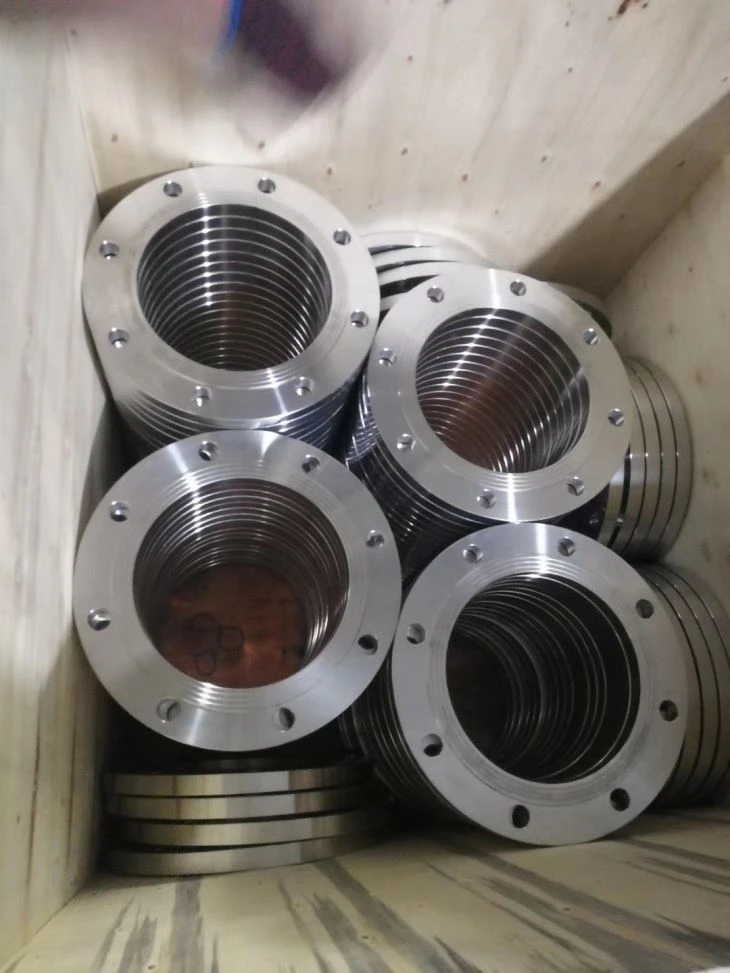
Uneven Threads: The threads should be evenly spaced and have a consistent profile. If you notice any irregularities, it could mean there was a problem during the threading process, such as a worn - out cutting tool.
Thread Gauging
After the visual inspection, it's time to break out the thread gauges. There are two main types of gauges you'll need for NPT threads:
-
Plug Gauges: These are used to check the internal threads of a flange. A plug gauge has the same thread profile as the NPT standard. To use it, simply insert the plug gauge into the internal threads of the flange. If it goes in smoothly up to the specified depth without any excessive force, the threads are likely within tolerance. If it doesn't go in at all or goes in too far, there might be an issue with the thread size or taper.
-
Ring Gauges: Ring gauges are used to check the external threads of a flange. Slip the ring gauge over the external threads. Similar to the plug gauge, if it fits snuggly without being too tight or too loose up to the proper depth, the thread quality is good.
It's important to note that thread gauges should be calibrated regularly to ensure accurate measurements. Using an uncalibrated gauge is like using a broken ruler - it'll give you incorrect readings.
Measuring the Taper
As I mentioned earlier, the taper of NPT threads is a key factor in their sealing ability. You can measure the taper using a taper gauge or a special caliper designed for measuring tapered threads.
To measure the taper with a taper gauge, place the gauge in the thread and check where it contacts the thread at different points. If the taper is correct, the gauge should contact the thread consistently along its length.
With a caliper, you'll need to measure the diameter of the thread at different points along its length. The difference in diameter should follow the 1 in 16 taper ratio. For example, if you measure the diameter at two points that are 16 inches apart, the difference in diameter should be 1 inch. If the measured taper is off, it can lead to poor sealing performance.
Checking the Thread Angle
The 60 - degree thread angle is another critical aspect of NPT threads. You can use a thread - angle gauge to check the angle. Place the gauge on the thread, and it will show whether the angle is within the acceptable range.
If the thread angle is incorrect, the threads may not mate properly with other fittings. The threads might not grip each other tightly enough, leading to leaks or even the fitting coming loose over time.
Material Inspection
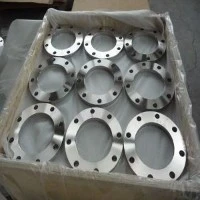
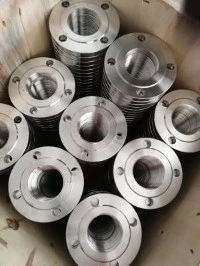
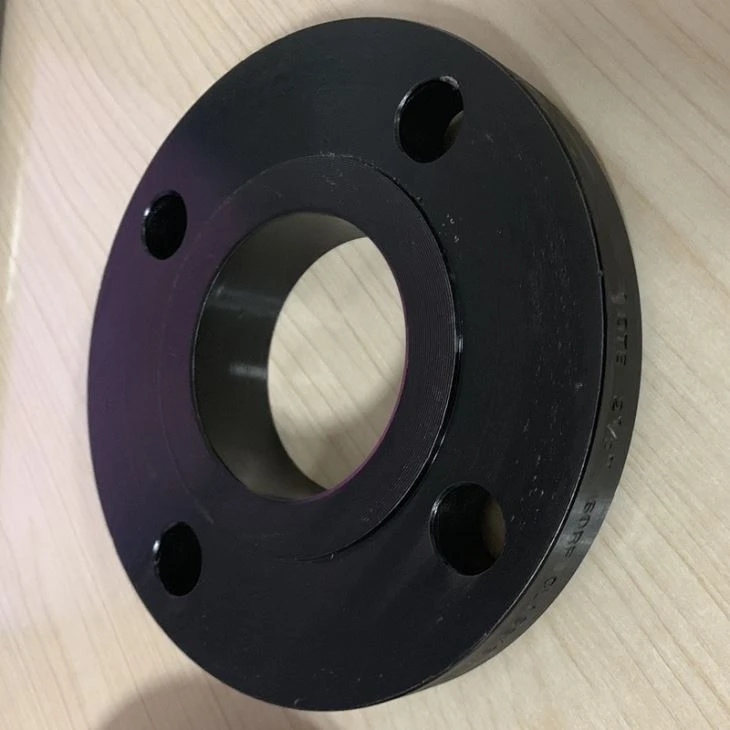
The quality of the thread also depends on the material of the flange. As a supplier, I offer different types of NPT threaded flanges, such as Stainless Steel Threaded Flange and Carbon Steel Threaded Flange, and even DIN Threaded Flanges.
The material should be free from any surface defects like pits, rust (especially for steel flanges), or porosity. Rust can weaken the threads and cause them to corrode over time. Pits and porosity can also compromise the strength and sealing ability of the flange.
You can use methods like magnetic particle inspection or ultrasonic testing to detect internal defects in the material. These techniques can help you catch any hidden issues that might not be visible during a visual inspection.
Torque Testing
Once you've done all the above checks and you're satisfied with the thread quality, it's a good idea to perform a torque test. This test involves tightening the flange to a specified torque value using a torque wrench.
The torque value is usually provided in the manufacturer's specifications. If the flange reaches the specified torque without any signs of damage or excessive resistance, it's a good indication that the threads can handle the required load.
However, if you encounter difficulties in reaching the torque value or if the flange feels loose at a lower torque than expected, it could mean there are problems with the thread quality, such as incorrect thread pitch or taper.
Conclusion
Checking the thread quality of an NPT threaded flange is a multi - step process that requires attention to detail. From visual inspections to using specialized tools, each step plays a crucial role in ensuring that the flange will perform as expected.
If you're in the market for high - quality NPT threaded flanges, whether it's Stainless Steel Threaded Flange, Carbon Steel Threaded Flange, or DIN Threaded Flanges, I'd love to have a chat with you. We're committed to providing top - notch products, and I'm here to help you find the perfect flanges for your needs. Don't hesitate to reach out for a quote or to discuss your requirements further.
References
- ASME B1.20.1 - Pipe Threads, General Purpose (Inch)
- ASTM Standards for Flanges and Fittings
- Manufacturer's Guidelines for NPT Threaded Flanges