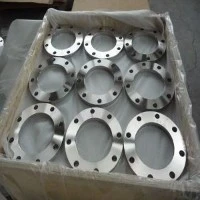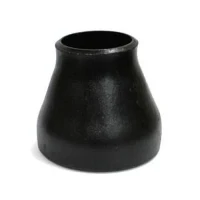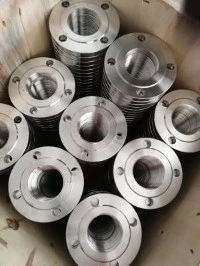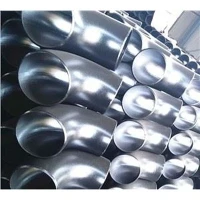
As a supplier of Slip On Flanges, I've seen firsthand the various issues that can crop up with these essential components. Slip On Flanges are widely used in piping systems because they're easy to install and relatively inexpensive. However, like any product, they're not immune to failures. In this blog post, I'm going to talk about some of the common failures of Slip On Flanges and how you can avoid them.
Leakage
One of the most common problems with Slip On Flanges is leakage. This can be a real headache, especially in industrial settings where leaks can lead to loss of product, environmental hazards, and even safety risks. There are several reasons why a Slip On Flange might start leaking.
First off, improper installation is a major culprit. If the flange isn't aligned correctly with the pipe, or if the bolts aren't tightened evenly, it can create gaps that allow fluid to seep through. Another issue could be a damaged gasket. Gaskets are used to create a seal between the flange and the pipe, and if they're torn, worn out, or made of the wrong material, they won't do their job properly.
To prevent leakage, it's crucial to follow the correct installation procedures. Make sure the flange and pipe are clean and free of debris before installation. Use a high - quality gasket that's appropriate for the fluid and pressure conditions. And when tightening the bolts, use a torque wrench to ensure even and proper tightness. If you're looking for reliable Slip On Flanges, you might be interested in our Factory Sale Steel Flange, which are designed to minimize leakage risks.
Corrosion
Corrosion is another enemy of Slip On Flanges. Over time, exposure to moisture, chemicals, and other corrosive agents can eat away at the flange material, weakening its structure and potentially causing it to fail. Different materials have different levels of resistance to corrosion. For example, carbon steel flanges are less corrosion - resistant compared to stainless steel ones.
The type of environment also plays a big role. In marine environments, where there's a high salt content in the air and water, corrosion can be particularly rapid. Similarly, in chemical plants where flanges are exposed to corrosive chemicals, the risk of corrosion is significant.
To deal with corrosion, you can choose corrosion - resistant materials. Stainless steel flanges are a great option as they contain chromium, which forms a protective oxide layer on the surface. You can also apply protective coatings to the flanges. There are various types of coatings available, such as epoxy coatings, which can provide an extra layer of protection against corrosion. We offer API,CE,ISO,etc Qualification Slip On Flange, Pipe Flanges, some of which are made from corrosion - resistant materials and have been treated to enhance their durability.
Fatigue Failure
Fatigue failure can occur when a Slip On Flange is subjected to repeated stress. This stress can come from vibrations in the piping system, pressure fluctuations, or temperature changes. Over time, these repetitive stresses can cause small cracks to form in the flange. As these cracks grow, the flange's structural integrity is compromised, and eventually, it can fail.
Design and material selection are crucial in preventing fatigue failure. The flange should be designed to withstand the expected stress levels in the piping system. Using high - strength materials can also help. Additionally, proper installation and support of the piping system can reduce vibrations and stress on the flanges. For example, using vibration dampeners and ensuring that the pipes are properly anchored can go a long way in preventing fatigue failure. Our ANSI Class150 Slip On Forged Flange is designed to handle a certain level of stress and is made from materials that offer good fatigue resistance.
Over - tightening or Under - tightening of Bolts
The bolts used to secure Slip On Flanges are a critical part of the assembly. If the bolts are over - tightened, it can cause the flange to deform. This deformation can lead to misalignment, which in turn can cause leakage. Over - tightening can also cause the bolts to break or strip, further compromising the integrity of the flange connection.
On the other hand, under - tightening the bolts means that the flange won't be held firmly in place. This can result in movement between the flange and the pipe, which can wear out the gasket and lead to leakage over time.
To ensure proper bolt tightening, it's important to use the correct torque values. These values are usually specified by the flange manufacturer. A torque wrench should be used to apply the correct amount of force to the bolts. Training the installation team on proper bolt - tightening procedures is also essential.
Misalignment
Misalignment can occur during the installation process or due to external factors such as settlement of the structure supporting the piping system. When the Slip On Flange is misaligned with the pipe, it can create uneven stress distribution. This uneven stress can lead to premature failure of the flange, as well as leakage.
There are two main types of misalignment: angular misalignment and offset misalignment. Angular misalignment occurs when the flange and the pipe are not at the same angle, while offset misalignment happens when the centerlines of the flange and the pipe are not aligned.


To prevent misalignment, careful measurement and alignment should be done during installation. Using alignment tools can help ensure that the flange and the pipe are properly aligned. Regular inspections of the piping system can also help detect and correct any misalignment issues before they cause major problems.
In conclusion, while Slip On Flanges are a popular choice for piping systems, they can experience several common failures. By being aware of these issues and taking the necessary preventive measures, you can ensure the long - term performance and reliability of your piping system. If you're in the market for high - quality Slip On Flanges, we're here to help. We offer a wide range of flanges that meet various industry standards and requirements. Don't hesitate to contact us for more information and to discuss your procurement needs.
References
- "Handbook of Steel Pipe Flanges"
- "Piping System Design and Installation Manual"