Hey there! As a supplier of EN steel flanges, I've seen firsthand how rust can be a real headache for these essential components. Rust not only affects the appearance of the flanges but can also compromise their structural integrity and performance. In this blog post, I'll share some practical tips on how to prevent rusting of EN steel flanges, so you can keep your equipment running smoothly and efficiently.
Understanding the Causes of Rusting
Before we dive into the prevention methods, it's important to understand what causes rusting in the first place. Rust is a form of corrosion that occurs when iron or steel reacts with oxygen and water. In the case of EN steel flanges, exposure to moisture, humidity, and certain chemicals can accelerate the rusting process. Here are some common factors that can contribute to rusting:


- Moisture: Water is the primary culprit when it comes to rusting. Even small amounts of moisture can cause the iron in the steel to oxidize and form rust. This is why flanges stored in damp environments or exposed to rain, condensation, or high humidity are more prone to rusting.
- Chemicals: Certain chemicals, such as acids, alkalis, and salts, can also cause rusting. For example, flanges used in industrial applications where they come into contact with chemicals or in coastal areas where they are exposed to saltwater are at a higher risk of corrosion.
- Scratches and Damage: Scratches, dents, and other forms of damage to the surface of the flange can expose the underlying steel to oxygen and water, making it more susceptible to rusting. This is why it's important to handle flanges with care during transportation, installation, and maintenance.
Prevention Methods
Now that we know what causes rusting, let's look at some effective ways to prevent it. Here are some practical tips that you can follow to keep your EN steel flanges rust-free:
1. Proper Storage
- Keep Flanges Dry: Store flanges in a dry, well-ventilated area away from sources of moisture. If possible, use a dehumidifier to control the humidity levels in the storage area.
- Protect from the Elements: Cover flanges with a protective tarp or plastic sheet to prevent them from being exposed to rain, snow, or other weather conditions.
- Use Rust Inhibitors: Apply a rust inhibitor or protective coating to the flanges before storing them. This can help to create a barrier between the steel and the environment, preventing rust from forming.
2. Surface Preparation
- Clean the Flanges: Before installing or using the flanges, make sure to clean them thoroughly to remove any dirt, grease, or other contaminants. You can use a mild detergent and water or a specialized cleaning solution to clean the flanges.
- Remove Rust and Scale: If the flanges have already developed some rust or scale, you can use a wire brush, sandpaper, or a chemical rust remover to remove it. Make sure to follow the manufacturer's instructions when using a chemical rust remover and wear appropriate protective gear.
- Apply a Protective Coating: After cleaning and removing any rust or scale, apply a protective coating to the flanges. There are several types of protective coatings available, such as paint, epoxy, zinc, and galvanizing. Choose a coating that is suitable for the specific application and environment in which the flanges will be used.
3. Installation and Maintenance
- Use Proper Installation Techniques: Follow the manufacturer's instructions when installing the flanges to ensure that they are properly aligned and tightened. Improper installation can cause stress and damage to the flanges, making them more susceptible to rusting.
- Inspect Regularly: Regularly inspect the flanges for any signs of rust, damage, or wear. If you notice any issues, take immediate action to address them to prevent further damage.
- Perform Maintenance as Needed: Depending on the application and environment, the flanges may require regular maintenance, such as lubrication, cleaning, or coating reapplication. Make sure to follow the manufacturer's recommendations for maintenance to keep the flanges in good condition.
4. Choose the Right Flange Material
- Consider the Application: When selecting EN steel flanges, consider the specific application and environment in which they will be used. For example, if the flanges will be exposed to high temperatures, corrosive chemicals, or extreme weather conditions, you may need to choose a flange material that is more resistant to these factors.
- Look for Corrosion-Resistant Materials: Some EN steel flange materials, such as stainless steel and alloy steel, are more resistant to corrosion than others. Consider using these materials if corrosion is a concern.
- Choose the Right Coating: In addition to choosing the right flange material, you can also choose a coating that provides additional corrosion protection. For example, zinc-coated or galvanized flanges are more resistant to rusting than uncoated flanges.
Recommended Products
As a supplier of EN steel flanges, I recommend the following products to help prevent rusting:
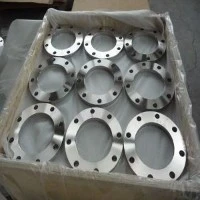
- Plate Flange: Plate flanges are a popular type of flange that are commonly used in a variety of applications. They are available in a range of sizes and materials, including carbon steel, stainless steel, and alloy steel. Plate flanges can be coated with a protective coating to provide additional corrosion protection.
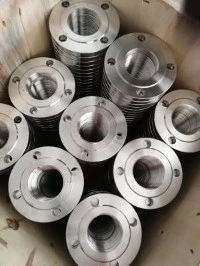
- EN1092-1 PN16 Forged Carbon Steel Flange: These flanges are manufactured to the EN1092-1 standard and are suitable for use in a variety of industrial applications. They are made from forged carbon steel, which provides excellent strength and durability. EN1092-1 PN16 forged carbon steel flanges can be coated with a protective coating to prevent rusting.
- EN Flange: EN flanges are a type of flange that are commonly used in Europe and other parts of the world. They are available in a range of sizes and materials, including carbon steel, stainless steel, and alloy steel. EN flanges can be coated with a protective coating to provide additional corrosion protection.
Conclusion
Rusting is a common problem that can affect the performance and lifespan of EN steel flanges. However, by following the tips and recommendations outlined in this blog post, you can prevent rusting and keep your flanges in good condition. Remember to store the flanges properly, prepare the surface before installation, use proper installation techniques, inspect regularly, and perform maintenance as needed. By taking these steps, you can ensure that your EN steel flanges will provide reliable service for many years to come.
If you have any questions or need further information about EN steel flanges or rust prevention, please don't hesitate to contact us. We're here to help you find the right products and solutions for your specific needs. Let's work together to keep your equipment running smoothly and efficiently!
References
- ASTM International. (2021). ASTM A105/A105M - Standard Specification for Carbon Steel Forgings for Piping Applications.
- European Committee for Standardization. (2007). EN 1092-1:2007 - Flanges and their joints - Circular flanges for pipes, valves, fittings and accessories, PN designated - Part 1: Steel flanges.
- NACE International. (2016). NACE SP0169-2016 - Control of External Corrosion on Underground or Submerged Metallic Piping Systems.