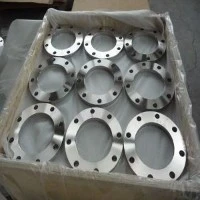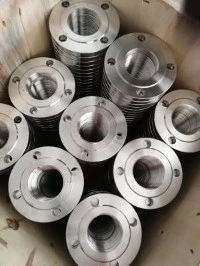
As a supplier of BS Steel Flanges, I've witnessed firsthand the crucial role that temperature plays in the performance of these essential components. In the world of industrial piping systems, BS Steel Flanges are widely used for their reliability and durability. However, the impact of temperature on their performance cannot be underestimated. In this blog post, I'll delve into the various ways temperature affects the performance of BS Steel Flanges and why it's important for buyers to consider these factors when making their purchasing decisions.
Thermal Expansion and Contraction
One of the most significant effects of temperature on BS Steel Flanges is thermal expansion and contraction. As the temperature rises, the steel in the flange expands, and as it cools, it contracts. This change in dimensions can have a profound impact on the integrity of the flange connection. If the expansion or contraction is not properly accounted for, it can lead to leaks, misalignment, and even structural failure.
For example, in a high-temperature application, such as a steam pipeline, the flange may expand significantly. If the bolts are not tightened to the appropriate torque to accommodate this expansion, the flange faces may separate, allowing steam to escape. On the other hand, in a low-temperature environment, the flange may contract, causing the bolts to loosen and potentially leading to a leak.
To mitigate the effects of thermal expansion and contraction, it's essential to select the right type of flange and gasket material. For high-temperature applications, materials with a low coefficient of thermal expansion, such as Stainless Steel BS Flange, are often preferred. Additionally, using flexible gaskets that can accommodate the dimensional changes can help maintain a tight seal.
Material Properties
Temperature also affects the mechanical properties of the steel used in BS Steel Flanges. At elevated temperatures, the strength and hardness of the steel can decrease, making it more susceptible to deformation and failure. This is known as creep, which is the gradual deformation of a material under a constant load over time.
In high-temperature applications, it's crucial to choose a steel grade that can maintain its strength and integrity. For instance, Carbon Steel BS 4504 Flange is a popular choice for many industrial applications due to its good strength and weldability. However, in extremely high-temperature environments, alloy steels or stainless steels may be more suitable.
Conversely, at low temperatures, the steel can become brittle, increasing the risk of cracking. This is known as cold brittleness. To prevent cold brittleness, it's important to select a steel grade with good toughness at low temperatures. Some steels are specifically designed for low-temperature applications and have a higher impact resistance.
Corrosion Resistance
Temperature can also influence the corrosion resistance of BS Steel Flanges. In general, higher temperatures can accelerate the corrosion process, especially in the presence of moisture and corrosive substances. For example, in a chemical processing plant, where the flanges may be exposed to acids or alkalis, the corrosion rate can increase significantly at elevated temperatures.
To enhance the corrosion resistance of BS Steel Flanges, various surface treatments can be applied. These include galvanizing, painting, and coating with corrosion-resistant materials. Additionally, using stainless steel or alloy steel flanges can provide better corrosion resistance in harsh environments.
Sealing Performance
The sealing performance of BS Steel Flanges is critical to prevent leaks and ensure the safe and efficient operation of the piping system. Temperature can have a significant impact on the sealing performance of the flange connection.
At high temperatures, the gasket material may lose its elasticity, making it less effective at sealing. This can lead to leaks, especially if the flange faces are not perfectly flat or if there is uneven pressure distribution. To maintain the sealing performance at high temperatures, it's important to choose a gasket material that can withstand the temperature and pressure conditions. For example, graphite gaskets are often used in high-temperature applications due to their excellent sealing properties and high-temperature resistance.
At low temperatures, the gasket material may become hard and brittle, reducing its ability to conform to the flange faces and create a tight seal. This can also lead to leaks. To address this issue, it's important to select a gasket material that remains flexible at low temperatures.


Impact on Installation and Maintenance
Temperature can also affect the installation and maintenance of BS Steel Flanges. In high-temperature environments, the installation process may need to be carefully planned to account for the thermal expansion of the flange and the piping system. For example, the bolts may need to be tightened to a higher torque to ensure a proper seal.
During maintenance, it's important to allow the flange and the piping system to cool down before attempting any repairs or inspections. Working on a hot flange can be dangerous and can also damage the flange and the gasket.
In low-temperature environments, the installation process may be more challenging due to the cold and brittle nature of the steel. Special precautions may need to be taken to prevent the flange from cracking during installation. Additionally, maintenance activities may need to be carried out more frequently to check for signs of cold brittleness and corrosion.
Conclusion
In conclusion, temperature has a significant impact on the performance of BS Steel Flanges. From thermal expansion and contraction to changes in material properties, corrosion resistance, sealing performance, and installation and maintenance, temperature can affect every aspect of the flange's operation. As a supplier of BS Steel Flanges, I understand the importance of considering these factors when recommending the right flange for a specific application.
When purchasing BS Steel Flanges, it's important to work with a reputable supplier who can provide expert advice on the selection of the right flange and gasket material based on the temperature and pressure conditions of the application. By choosing the right flange and taking the necessary precautions, you can ensure the safe and efficient operation of your piping system.
If you're in the market for BS Steel Flanges and need assistance in selecting the right product for your application, please don't hesitate to contact us. Our team of experts is ready to help you make an informed decision and ensure that you get the best product for your needs.
References
- ASME B16.5 - Pipe Flanges and Flanged Fittings
- BS 4504 - Specification for steel pipe flanges, butt - welding ends, and hubbed branch pieces
- API 6A - Specification for Wellhead and Christmas Tree Equipment