As a supplier of BS Steel Flanges, ensuring the safe transportation of these products is of utmost importance. BS Steel Flanges are essential components in various industrial applications, and any damage during transit can lead to significant losses for both us and our customers. In this blog, I will share some key strategies and best practices on how to transport BS Steel Flanges safely.
Understanding the Characteristics of BS Steel Flanges
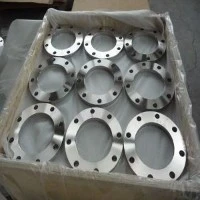
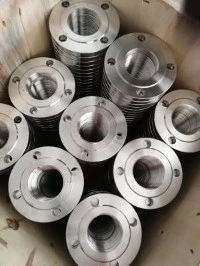
Before delving into the transportation methods, it's crucial to understand the unique characteristics of BS Steel Flanges. These flanges are typically made of high - quality steel, which gives them strength and durability. However, they are also heavy and can be easily damaged if not handled properly. Their shape, often circular with holes for bolting, requires careful packing to prevent scratching, denting, or deformation.
There are different types of BS Steel Flanges, such as Stainless Steel BS Flange, BS4504 PN16 Steel Plate Flange, and BS 4504 PN16 Steel Flange. Each type may have specific requirements for transportation due to differences in size, material, and application.
Pre - transportation Preparation
Inspection
The first step in ensuring safe transportation is to conduct a thorough inspection of the BS Steel Flanges. Check for any pre - existing damage, such as cracks, rust spots, or uneven surfaces. This inspection helps in identifying potential issues before shipping and also provides a baseline in case of any disputes regarding damage during transit.
Cleaning
Clean the flanges to remove any dirt, debris, or loose particles. This not only improves the appearance of the product but also prevents any contaminants from causing damage during transportation. Use appropriate cleaning agents and methods based on the type of steel and the level of dirt.
Protection
Apply a protective coating to the flanges to prevent rust and corrosion during transit. This can be a thin layer of anti - rust paint or a specialized corrosion - resistant film. Additionally, cover the bolt holes with plastic caps or plugs to prevent them from getting clogged with dirt or damaged.
Packaging
Proper packaging is the cornerstone of safe transportation. Use sturdy wooden crates or pallets to pack the flanges. Place the flanges in a way that they are not in direct contact with each other to avoid scratching. You can use foam inserts or cardboard dividers between the flanges. Wrap each flange individually with bubble wrap or other soft materials for added protection.
For larger flanges, consider using custom - made packaging solutions that are designed to fit the specific dimensions of the product. Label the packages clearly with information such as the type of flange, quantity, and handling instructions.
Choosing the Right Transportation Mode
Road Transportation
Road transportation is a common choice for short - to medium - distance deliveries. When using trucks, ensure that the vehicle is in good condition and has proper shock - absorbing systems. Secure the packaged flanges tightly to the truck bed using straps or chains to prevent them from shifting during transit.
If the journey involves rough roads or long distances, consider using trucks with air - ride suspension to minimize vibrations and shocks. Also, make sure the truck is covered to protect the flanges from weather elements such as rain, snow, or sunlight.
Rail Transportation
Rail transportation is suitable for long - distance shipments. Similar to road transportation, the flanges need to be well - packed and secured. Rail cars should be inspected for any signs of damage or instability before loading the flanges. Use appropriate loading and unloading equipment to handle the heavy packages safely.
Sea Transportation
For international shipments, sea transportation is often the most cost - effective option. However, it also presents unique challenges such as exposure to saltwater and rough sea conditions. Use shipping containers that are in good condition and have proper ventilation to prevent moisture buildup.
Secure the packaged flanges inside the container using braces or dunnage to prevent them from moving around. It's also advisable to use desiccants inside the container to absorb any excess moisture and prevent rusting.
Handling During Transit
Loading and Unloading
During loading and unloading operations, use proper lifting equipment such as cranes or forklifts. Ensure that the operators are trained and experienced in handling heavy and delicate items like BS Steel Flanges. Avoid dropping or throwing the packages, as this can cause significant damage.


Monitoring
If possible, monitor the transportation process. For long - distance shipments, use tracking devices to keep an eye on the location and condition of the packages. This allows you to take immediate action in case of any unexpected events such as delays or rough handling.
Post - transportation Checks
Once the flanges reach their destination, conduct another inspection. Check for any signs of damage that may have occurred during transit. If any damage is found, document it thoroughly with photos and detailed descriptions. Contact the transportation provider immediately to initiate the claim process if necessary.
Conclusion
Transporting BS Steel Flanges safely requires a combination of careful pre - transportation preparation, choosing the right transportation mode, proper handling during transit, and thorough post - transportation checks. By following these best practices, we can minimize the risk of damage and ensure that our customers receive high - quality products.
If you are interested in purchasing BS Steel Flanges or have any questions about our products and transportation services, please feel free to contact us for further discussion and procurement negotiation. We are committed to providing you with the best solutions for your industrial needs.
References
- "Steel Flange Handbook" - A comprehensive guide on the properties, manufacturing, and transportation of steel flanges.
- Industry standards and guidelines related to the transportation of industrial components, such as ISO and ASTM standards.