Electromagnetic properties play a crucial role in various industrial applications, especially when it comes to materials used in the manufacturing of components like steel flanges. As a supplier of BS Steel Flanges, I have witnessed firsthand the significance of understanding these properties to ensure the optimal performance of our products. In this blog, we will delve into the electromagnetic properties of BS Steel Flanges, exploring how they impact their functionality and suitability for different applications.
Understanding Electromagnetic Properties
Before we dive into the specific electromagnetic properties of BS Steel Flanges, it's essential to have a basic understanding of what these properties entail. Electromagnetic properties refer to the way a material interacts with electromagnetic fields. These interactions can be influenced by several factors, including the material's composition, structure, and temperature.
One of the primary electromagnetic properties of interest is electrical conductivity. Electrical conductivity measures how well a material allows the flow of electric current. Metals, in general, are good conductors of electricity due to the presence of free electrons that can move freely through the material. The electrical conductivity of a material is typically measured in siemens per meter (S/m).
Another important electromagnetic property is magnetic permeability. Magnetic permeability describes how easily a material can be magnetized when placed in a magnetic field. Materials with high magnetic permeability can be easily magnetized, while those with low magnetic permeability are more difficult to magnetize. Magnetic permeability is measured in henries per meter (H/m).
Electromagnetic Properties of BS Steel Flanges
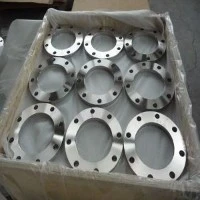
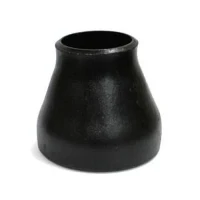
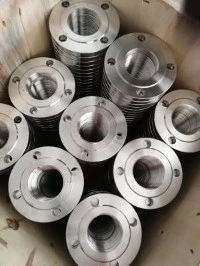
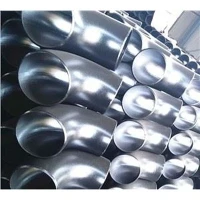
BS Steel Flanges are typically made from carbon steel or stainless steel, both of which have distinct electromagnetic properties.
Carbon Steel Flanges
Carbon steel is a widely used material in the manufacturing of BS Steel Flanges due to its excellent mechanical properties and relatively low cost. Carbon steel is a good conductor of electricity, with an electrical conductivity ranging from approximately 10^6 to 10^7 S/m, depending on the carbon content and other alloying elements. This high electrical conductivity makes carbon steel flanges suitable for applications where electrical grounding or conduction is required.
In terms of magnetic permeability, carbon steel is ferromagnetic, which means it can be easily magnetized. The magnetic permeability of carbon steel can vary depending on the carbon content and heat treatment, but it is generally in the range of 100 to 1000 H/m. This ferromagnetic property makes carbon steel flanges useful in applications where magnetic shielding or magnetic coupling is necessary.
Stainless Steel Flanges
Stainless steel is another popular material for BS Steel Flanges, especially in applications where corrosion resistance is a primary concern. Stainless steel contains chromium, which forms a passive oxide layer on the surface of the material, protecting it from corrosion.


The electrical conductivity of stainless steel is lower than that of carbon steel, typically ranging from 10^5 to 10^6 S/m. This lower electrical conductivity is due to the presence of alloying elements such as chromium and nickel, which can impede the flow of electric current. However, stainless steel is still a good conductor compared to many other materials.
Stainless steel can be either ferromagnetic or non - ferromagnetic, depending on its composition. Austenitic stainless steels, which are the most common type used in flanges, are non - ferromagnetic. This non - ferromagnetic property makes austenitic stainless steel flanges suitable for applications where magnetic interference needs to be minimized, such as in electronic equipment or MRI machines. On the other hand, ferritic and martensitic stainless steels are ferromagnetic and have magnetic properties similar to carbon steel.
Impact of Electromagnetic Properties on Applications
The electromagnetic properties of BS Steel Flanges have a significant impact on their suitability for different applications.
Electrical Applications
In electrical applications, the electrical conductivity of the flange is crucial. For example, in power transmission and distribution systems, carbon steel flanges can be used to ensure proper electrical grounding and conduction. The high electrical conductivity of carbon steel allows for the efficient flow of electric current, reducing the risk of electrical hazards.
In electronic equipment, stainless steel flanges may be preferred, especially if they are non - ferromagnetic. Non - ferromagnetic stainless steel flanges can prevent magnetic interference, which can disrupt the operation of sensitive electronic components.
Magnetic Applications
In magnetic applications, the magnetic permeability of the flange is important. Carbon steel flanges, with their ferromagnetic properties, can be used in magnetic shielding applications. Magnetic shielding is used to protect sensitive equipment from external magnetic fields. The high magnetic permeability of carbon steel allows it to absorb and redirect magnetic fields, providing effective shielding.
Ferromagnetic stainless steel flanges can also be used in magnetic coupling applications. Magnetic coupling is a method of transferring torque or power between two components without direct mechanical contact. The ferromagnetic properties of the flange allow it to interact with a magnetic field, enabling the transfer of power.
Our Product Range
As a supplier of BS Steel Flanges, we offer a wide range of products to meet the diverse needs of our customers. Our product range includes Stainless Steel BS Flange, which are available in various grades and sizes. These stainless steel flanges are suitable for applications where corrosion resistance and non - magnetic properties are required.
We also offer BS4504 PN16 Steel Plate Flange, which are designed to meet the requirements of the BS4504 standard. These flanges are commonly used in industrial piping systems and are known for their high strength and reliability.
In addition, our BS10 Steel Flange products are widely used in the oil and gas, chemical, and power industries. These flanges are manufactured to the BS10 standard and are available in different pressure ratings and face types.
Contact Us for Procurement
If you are in need of high - quality BS Steel Flanges for your specific application, we encourage you to contact us for procurement. Our team of experts can provide you with detailed information about our products, including their electromagnetic properties, and help you select the most suitable flange for your needs. We are committed to providing excellent customer service and ensuring that you receive the best products at competitive prices.
References
- ASM Handbook, Volume 1: Properties and Selection: Irons, Steels, and High - Performance Alloys. ASM International.
- Callister, W. D., & Rethwisch, D. G. (2016). Materials Science and Engineering: An Introduction. Wiley.
- BS 4504: Specification for steel pipe flanges, their joints and gaskets. British Standards Institution.
- BS 10: Specification for pipe flanges and their joints. British Standards Institution.