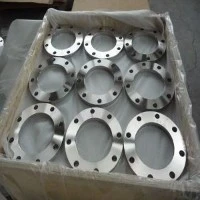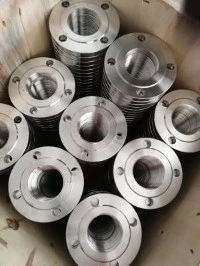
Slip on flanges are a popular choice in various industries due to their ease of installation and cost - effectiveness. As a slip on flange supplier, I'm often asked about the customization options available for these essential components. In this blog, I'll explore the different ways you can customize slip on flanges to meet your specific needs.

Material Selection
The first and perhaps most crucial customization option is the choice of material. Slip on flanges can be made from a wide range of materials, each with its own set of properties and applications.
Carbon Steel
Carbon steel is one of the most commonly used materials for slip on flanges. It offers excellent strength and durability at a relatively low cost. Carbon steel flanges are suitable for a variety of applications, including general piping systems in industries such as oil and gas, chemical processing, and water treatment. Our DIN Carbon Steel PN16 Flange is a prime example of a high - quality carbon steel slip on flange that meets strict industry standards.
Stainless Steel
Stainless steel flanges are highly resistant to corrosion, making them ideal for applications where the flange will be exposed to harsh chemicals, moisture, or high - temperature environments. They are commonly used in the food and beverage industry, pharmaceutical manufacturing, and marine applications. The corrosion - resistant properties of stainless steel ensure a longer service life and reduced maintenance costs.
Alloy Steel
Alloy steel flanges are made by combining carbon steel with other elements such as chromium, nickel, and molybdenum. This results in a material with enhanced strength, toughness, and heat resistance. Alloy steel flanges are often used in high - pressure and high - temperature applications, such as power generation plants and refineries.
Size and Dimensions
Slip on flanges come in a variety of standard sizes, but we also offer custom sizing options to meet your specific requirements. Whether you need a flange with a non - standard diameter, thickness, or bolt hole pattern, we can manufacture it to your exact specifications.
Diameter
The diameter of a slip on flange is an important consideration, as it must match the size of the pipe it will be attached to. We can produce flanges with diameters ranging from a few inches to several feet, depending on your needs.
Thickness
The thickness of the flange affects its strength and load - bearing capacity. Thicker flanges are typically used in high - pressure applications, while thinner flanges may be suitable for low - pressure systems. We can customize the thickness of the flange to ensure it meets the specific requirements of your project.

Bolt Hole Pattern
The bolt hole pattern refers to the number, size, and arrangement of the bolt holes on the flange. Different applications may require different bolt hole patterns to ensure a proper and secure connection. We can customize the bolt hole pattern to match the requirements of your piping system.
Surface Finish
The surface finish of a slip on flange can also be customized. A smooth surface finish is often preferred for applications where cleanliness is important, such as in the food and beverage industry. On the other hand, a rougher surface finish may be suitable for applications where the flange needs to provide a better grip or where it will be painted or coated.
Painting and Coating
We offer a variety of painting and coating options to protect the flange from corrosion and improve its appearance. For example, epoxy coatings are commonly used to provide a high - level of corrosion resistance, while zinc coatings can offer sacrificial protection.
Machining
In some cases, the flange may require machining to achieve a specific surface finish or to ensure a precise fit. We have the necessary equipment and expertise to perform machining operations such as facing, boring, and threading to meet your exact requirements.
Pressure Rating
The pressure rating of a slip on flange indicates the maximum pressure it can withstand without failing. Different applications require flanges with different pressure ratings. We can customize the pressure rating of the flange by adjusting its material, thickness, and design.
Low - Pressure Flanges
Low - pressure flanges are suitable for applications where the pressure is relatively low, such as in some water distribution systems. These flanges are typically thinner and less expensive than high - pressure flanges.
High - Pressure Flanges
High - pressure flanges are designed to withstand extreme pressures, such as those found in oil and gas pipelines or high - pressure steam systems. These flanges are usually made from stronger materials and have a thicker design to ensure their integrity under high - pressure conditions.
Special Features
In addition to the above customization options, we can also incorporate special features into the slip on flange design.

Raised Face
A raised face on the flange provides a better seal when it is bolted to another flange or a pipe fitting. The raised face helps to compress the gasket between the two flanges, preventing leaks.
Tongue and Groove
Tongue and groove flanges have a unique design that provides an extra level of sealing. The tongue on one flange fits into the groove on the other flange, creating a tight seal that is resistant to leaks.
Ring Joint
Ring joint flanges are used in high - pressure and high - temperature applications. They use a metal ring gasket to provide a seal, which can withstand extreme conditions.
As a slip on flange supplier, we are committed to providing our customers with high - quality, customized products. Whether you need a Din 2576 Plate Steel Flange for a specific project or a Din PN16 Casting Pipe Flange with unique features, we have the expertise and capabilities to meet your needs.
If you're interested in learning more about our customization options or would like to discuss a specific project, please don't hesitate to reach out. We're here to help you find the perfect slip on flange solution for your application.
References
- ASME B16.5: Pipe Flanges and Flanged Fittings
- API 6A: Specification for Wellhead and Christmas Tree Equipment
- DIN Standards for Flanges