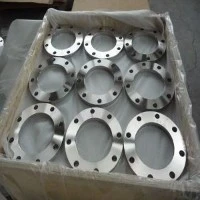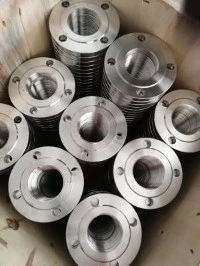
Hey there! As a supplier of GOST Blind Flanges, I often get asked about the marking requirements for these products. So, I thought I'd take a few minutes to break it down for you.
First off, let's talk about what GOST Blind Flanges are. They're used to seal the end of a pipeline, vessel, or valve, and they're made to meet the standards set by the GOST (Gosudarstvennyy Standart) system, which is the national standard in Russia and some other countries.

Marking on GOST Blind Flanges is super important. It's not just for looks; it provides crucial information about the flange. This helps in installation, maintenance, and ensures that the right flange is used in the right application.
Mandatory Markings
1. Standard Designation
The first thing you'll see marked on a GOST Blind Flange is the standard designation. This tells you which GOST standard the flange complies with. For example, if it says "GOST [number]," it means the flange has been manufactured according to that specific set of rules. This is like a quality stamp, assuring you that the flange meets certain technical requirements.
2. Pressure Rating
Another key marking is the pressure rating. This indicates the maximum pressure the flange can handle safely. It's usually marked in units like MPa (megapascals). Knowing the pressure rating is essential because using a flange with a lower pressure rating than required can lead to leaks or even dangerous failures in the system.
3. Size
The size of the flange is also clearly marked. This includes the nominal diameter, which is the approximate inner diameter of the pipe the flange is designed to fit. The size marking helps ensure that the flange will mate correctly with other components in the pipeline system.
4. Material Grade
The material grade is marked on the flange as well. Different materials have different properties, such as corrosion resistance, strength, and temperature tolerance. For example, a flange made of stainless steel will have different characteristics compared to one made of carbon steel. The material grade marking helps users choose the right flange for their specific application, especially when dealing with harsh environments or corrosive substances.
Optional Markings
1. Manufacturer's Logo
Some manufacturers choose to mark their logo on the flange. This is a way to brand their product and also provides a quick way to identify the source of the flange. It can be useful for quality control and warranty purposes.

2. Serial Number
A serial number might also be marked on the flange. This can be used for traceability, allowing the manufacturer and the user to track the production history of the flange. It's especially important in industries where strict quality control and auditing are required.
3. Heat Number
The heat number is a code that identifies the specific batch of metal from which the flange was made. This is useful for material testing and quality assurance. If there are any issues with the material, the heat number can be used to trace back to the source and determine if other products from the same batch are affected.
Importance of Correct Marking
Correct marking on GOST Blind Flanges is crucial for several reasons. First, it ensures compliance with safety regulations. In many industries, using correctly marked flanges is a legal requirement. Second, it helps in proper installation. Workers can quickly identify the right flange based on the markings, reducing the chances of errors during installation. Third, it aids in maintenance and replacement. When a flange needs to be replaced, the markings make it easy to find a suitable replacement that matches the existing system.
Comparison with Other GOST Flanges
If you're also interested in other types of GOST flanges, like the GOST33259 Weld Neck Steel Flange, GOST Collar Flange, or GOST12820 - 80 Steel Plate Flange, the marking requirements are somewhat similar but may have some differences. For example, the weld neck flange may have additional markings related to the welding process or the specific type of weld joint it's designed for.
Our Commitment as a Supplier
As a supplier of GOST Blind Flanges, we take marking very seriously. We ensure that all our flanges are marked accurately and clearly. Our team of experts checks the markings during the production process to make sure they meet the required standards. We also keep detailed records of the markings and production details for each flange, so we can provide full traceability if needed.
Conclusion
In conclusion, understanding the marking requirements for GOST Blind Flanges is essential for anyone involved in the pipeline or industrial equipment industry. The markings provide vital information about the flange's specifications, which helps in ensuring safety, proper installation, and efficient operation of the system.

If you're in the market for high - quality GOST Blind Flanges or any other related products, we'd love to hear from you. Whether you have questions about the markings, the products themselves, or need help choosing the right flange for your application, don't hesitate to reach out. We're here to assist you in making the best decision for your project.
References
- GOST standards documentation
- Industry best practices for flange marking