Hey there! As a supplier of GOST Blind Flanges, I've been getting a lot of questions lately about the flow characteristics when using these flanges in pipelines. So, I thought I'd write this blog to share some insights on that.
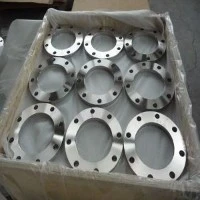
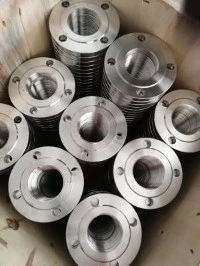
First off, let's talk a bit about what GOST Blind Flanges are. They're basically a type of flange that's used to close the end of a pipeline. It doesn't have an opening in the center like regular flanges, so it effectively stops the flow of fluids or gases in the pipeline. You can find more about different types of GOST flanges on our website, like the GOST 12821 - 80 Flange, PN63 GOST Weld Neck Steel Flange, and GOST33259 CT20 Steel Flange.


Now, let's dive into the flow characteristics when using these blind flanges. When a GOST Blind Flange is installed at the end of a pipeline, the obvious effect is that it completely blocks the flow. This is super useful in a bunch of situations. For example, during maintenance work on a pipeline section, you can install a blind flange to isolate that part of the pipeline. This way, you can work on it without having to worry about the fluid or gas flowing through and causing a mess or a safety hazard.
But it's not just about stopping the flow. When the blind flange is in place, it can also create some interesting flow patterns upstream of it. The fluid or gas, as it approaches the blocked end, has to change its direction. This can lead to the formation of vortices and eddies. These are basically swirling pockets of fluid or gas. The size and intensity of these vortices depend on a few factors, like the velocity of the flow, the diameter of the pipeline, and the characteristics of the fluid itself.
If the flow velocity is high, the vortices can be quite large and energetic. This might cause some issues, such as increased pressure fluctuations in the pipeline. These pressure fluctuations can put extra stress on the pipeline walls and other components. Over time, this could potentially lead to fatigue and damage. On the other hand, if the flow velocity is low, the vortices will be smaller and less of a concern.
Another thing to consider is the shape of the blind flange itself. The surface finish and the edge profile of the flange can also affect the flow characteristics. A smooth - surfaced blind flange will generally result in less turbulent flow compared to a rough - surfaced one. The edges of the flange can either cause the fluid to separate smoothly or create more abrupt changes in the flow direction, which can lead to more turbulence.
In some cases, the presence of a blind flange can also cause a build - up of pressure upstream. This is because the fluid has nowhere to go, so the pressure starts to increase. The magnitude of this pressure build - up depends on the flow rate and the resistance in the rest of the pipeline. If the pressure build - up is too high, it can be a safety risk. That's why it's important to have proper pressure relief systems in place when using blind flanges.
Now, let's talk about how these flow characteristics can impact the performance of the pipeline system as a whole. The increased turbulence and pressure fluctuations can affect the efficiency of pumps and other equipment in the pipeline. For example, pumps might have to work harder to maintain the desired flow rate due to the additional resistance caused by the vortices. This can lead to higher energy consumption and increased wear and tear on the equipment.
The build - up of pressure can also affect the integrity of the pipeline joints. If the pressure exceeds the design limits of the joints, it can cause leaks or even pipe failures. That's why it's crucial to carefully analyze the flow characteristics and design the pipeline system accordingly when using GOST Blind Flanges.
When selecting the right GOST Blind Flange for a specific application, it's important to take into account all these flow characteristics. You need to consider the operating conditions, such as the pressure, temperature, and flow rate of the fluid or gas in the pipeline. You also need to think about the long - term effects of the flow patterns on the pipeline and the equipment.
As a GOST Blind Flange supplier, I can offer a wide range of flanges that are designed to meet different customer needs. Whether you need a flange for a high - pressure pipeline or a low - flow application, we've got you covered. Our flanges are made from high - quality materials and are manufactured to strict standards to ensure durability and performance.
If you're in the market for GOST Blind Flanges or want to learn more about how they can work in your pipeline system, don't hesitate to reach out. We'd be glad to have a chat with you, answer any questions you might have, and help you choose the right product for your needs. Get in touch with us to start the procurement discussion and find the perfect solution for your pipeline.
References:
- "Pipeline Flow Handbook"
- "Fluid Mechanics for Pipeline Engineers"