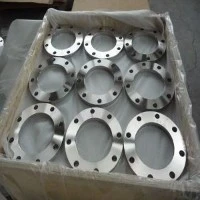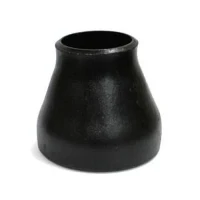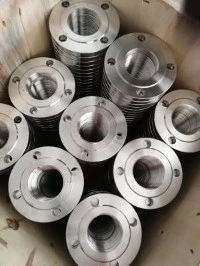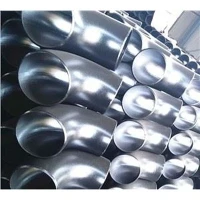
Hey there! I'm a supplier of DIN steel flanges, and today I want to chat about the tensile strength requirements for these flanges. It's an important topic, especially if you're in the market for high - quality DIN steel flanges.
Let's start by understanding what tensile strength is. In simple terms, tensile strength is the maximum amount of tensile (pulling) stress that a material can withstand before it fails or breaks. For DIN steel flanges, this is crucial because they are often used in applications where they'll face significant pulling forces.
DIN Standards and Their Significance
DIN standards are a set of German engineering standards that are recognized worldwide. They ensure that products meet certain quality and performance criteria. When it comes to steel flanges, DIN standards specify not only the dimensions but also the mechanical properties, including tensile strength.
For example, different types of DIN steel flanges, like the DIN Standard PN16 DN50 Steel Flange and the DIN 2573 Steel Flange, have specific tensile strength requirements. These requirements are based on the intended use of the flanges.
Factors Affecting Tensile Strength Requirements
There are several factors that influence the tensile strength requirements for DIN steel flanges:
Application
The application where the flange will be used is a major factor. For instance, if the flange is going to be used in a high - pressure pipeline for transporting gas or oil, it will need to have a higher tensile strength. This is because the pressure inside the pipeline creates significant stress on the flange, and a low - strength flange might fail, leading to leaks or even more serious accidents.
Material Composition
The type of steel used in the flange also affects its tensile strength. Different steel alloys have different properties. For example, carbon steel is commonly used for DIN steel flanges. The amount of carbon and other alloying elements in the steel can significantly impact its strength. Higher carbon content generally leads to higher tensile strength, but it can also make the steel more brittle.
Operating Conditions
The operating conditions, such as temperature and corrosion environment, play a role as well. In high - temperature applications, the steel can lose some of its strength. So, the flange needs to have a higher initial tensile strength to compensate for the strength loss at elevated temperatures. Similarly, in corrosive environments, the steel can degrade over time, reducing its strength. So, a flange with a higher tensile strength to start with will last longer under such conditions.
Tensile Strength Requirements for Specific DIN Flanges
DIN Standard PN16 DN50 Steel Flange
The DIN Standard PN16 DN50 Steel Flange is a popular choice for many medium - pressure applications. The PN16 indicates the pressure rating of the flange, which is related to its mechanical properties. Generally, for this type of flange, the minimum tensile strength requirement is around 400 - 500 MPa (Megapascals). This ensures that the flange can withstand the pressure and associated pulling forces within the rated pressure range.
DIN 2573 Steel Flange
The DIN 2573 Steel Flange is often used in various industrial piping systems. The tensile strength requirements for this flange depend on the size and the grade of steel used. For smaller - sized flanges made of common carbon steel grades, the minimum tensile strength might be in the range of 370 - 440 MPa. However, for larger flanges or those made of higher - grade steel, the tensile strength can be much higher, sometimes exceeding 550 MPa.
DIN EN Standard Steel Plate Flange
The DIN EN Standard Steel Plate Flange combines the requirements of both DIN and EN standards. These flanges are usually used in more demanding applications. The tensile strength requirements for DIN EN standard steel plate flanges are typically higher compared to some other DIN flanges. They can range from 450 - 600 MPa, depending on the specific application and design requirements.
How We Ensure Tensile Strength in Our DIN Steel Flanges
As a DIN steel flange supplier, I take the tensile strength requirements very seriously. Here's how we ensure that our flanges meet or exceed the required standards:


- Quality Material Selection: We source our steel from reputable mills. We carefully select the steel grade based on the specific flange requirements. For example, if a customer needs a flange with high tensile strength for a high - pressure application, we'll choose a high - grade steel alloy with the appropriate carbon and alloying element content.
- Advanced Manufacturing Processes: We use state - of - the - art manufacturing processes to produce our flanges. Our manufacturing methods are optimized to enhance the mechanical properties of the steel, including its tensile strength. This includes proper heat treatment processes, which can improve the strength and toughness of the flange.
- Rigorous Testing: Every flange we produce undergoes thorough testing. We use a variety of testing methods, such as tensile testing, to measure the actual tensile strength of the flange. Only flanges that meet or exceed the required tensile strength standards are approved for sale.
Why Tensile Strength Matters for You
If you're in the market for DIN steel flanges, understanding the tensile strength requirements is essential. Using a flange with the wrong tensile strength can lead to all sorts of problems. For example, if you use a flange with a lower tensile strength than required in a high - pressure application, it can fail, causing leaks, equipment damage, and even safety hazards.
On the other hand, using a flange with a much higher tensile strength than necessary can be more expensive and might not be the most cost - effective solution. So, it's important to work with a supplier who can help you choose the right flange with the appropriate tensile strength for your specific application.
Contacting Us for Your Flange Needs
If you're interested in purchasing DIN steel flanges and want to learn more about the tensile strength requirements for your particular application, don't hesitate to reach out. We have a team of experts who can provide you with detailed information and help you choose the right flanges. We offer a wide range of DIN steel flanges, including DIN Standard PN16 DN50 Steel Flange, DIN 2573 Steel Flange, and DIN EN Standard Steel Plate Flange. Let's start a conversation and find the best solution for your flange needs!
References
- DIN Standards Handbook: Steel Flanges
- Various technical papers on the mechanical properties of steel for industrial applications.