Hey there! As a supplier of Npt Threaded Flanges, I've come across a bunch of questions regarding how different fluids impact the compatibility of these flanges. In this blog, I'll dive deep into this topic to give you a clearer picture.
First off, let's understand what Npt Threaded Flanges are. They're a type of flange with tapered threads designed to create a tight seal when connected. These flanges are used in various industries, from plumbing to oil and gas, to ensure a leak - proof connection for different fluids.
The Role of Fluids in Flange Compatibility
Now, different fluids can have a variety of effects on Npt Threaded Flanges. Let's start with water, one of the most common fluids used in many systems. Water is relatively gentle on most flanges. But if it's not treated properly, it can cause issues like corrosion. For example, if the water has a high mineral content or is acidic, it can start to break down the surface of the flange over time.


Carbon steel is a popular choice for many Npt Threaded Flanges, like the Carbon Steel Threaded Flange. When carbon steel flanges are exposed to untreated water, rust can form. Rust not only weakens the structural integrity of the flange but can also cause blockages in the system over time.
On the other hand, stainless steel flanges, such as the Stainless Steel Threaded Flange, are more resistant to corrosion caused by water. The chromium in stainless steel forms a protective oxide layer on the surface, preventing rust and other forms of corrosion. So, if your system is constantly in contact with water, especially if it's not ideal quality water, stainless steel flanges might be a better choice.
Chemical Fluids and Flange Compatibility
Chemical fluids are a whole different ballgame. Depending on the type of chemical, it can either be compatible with the flange or cause severe damage. For instance, some mild chemicals like diluted acids might not pose a big problem for stainless steel flanges. But strong, concentrated acids can cause rapid corrosion.
If you're dealing with chemicals in your system, you need to carefully consider the flange material. That's where DIN Threaded Flanges come in handy. They often follow strict standards that ensure better chemical resistance in many cases. However, it's still crucial to know the exact chemical properties of the fluid you're using.
Some chemicals can cause embrittlement of the flange material. Embrittlement makes the flange more prone to cracking under pressure, which can be extremely dangerous in a high - pressure system. So, before choosing a flange, it's important to consult with a chemical compatibility chart or an expert who can help you select the right flange for your chemical - based system.
Oil and Gas Fluids
The oil and gas industry is another major user of Npt Threaded Flanges. Crude oil and natural gas contain various impurities and additives. These can have different effects on the flanges.
Crude oil can have traces of sulfur compounds. These sulfur compounds are corrosive, especially to carbon steel flanges. Over time, the sulfur can react with the carbon steel, forming iron sulfide, which weakens the flange. Stainless steel flanges are again a better option here as they have a higher resistance to sulfur - based corrosion.
Natural gas can also pose challenges. If it contains moisture and other contaminants, it can cause issues similar to those caused by water in the system. And in high - pressure oil and gas systems, any degradation of the flange can lead to significant leaks and safety hazards. So, selecting the right flange based on the specific composition of the oil or gas is crucial.
Temperature and Fluid - Flange Compatibility
Temperature also plays a huge role when it comes to how different fluids interact with Npt Threaded Flanges. For example, high - temperature fluids can cause thermal expansion. If the flange material isn't able to handle the thermal expansion properly, it can lead to leaks.
Hot water or steam in a system can cause the flange material to expand. Carbon steel has a certain coefficient of thermal expansion. If the temperature rises too quickly or too high, the carbon steel flange might expand more than anticipated. This can put stress on the threads and the sealing mechanism of the flange, leading to leaks.
Stainless steel, again, has better properties when it comes to handling thermal expansion. It can withstand higher temperatures without significant changes in its structure, making it a great option for systems that deal with high - temperature fluids.
Choosing the Right Flange Based on Fluid Properties
When you're choosing an Npt Threaded Flange for your system, you need to consider all the factors related to the fluid. First, identify the type of fluid (water, chemical, oil, gas, etc.). Then, look at its chemical properties, such as pH if it's a liquid, and any contaminants it might carry.
Next, think about the temperature of the fluid. If it's a high - temperature application, and the fluid is also corrosive, stainless steel flanges are likely your best bet. For lower - temperature and less - corrosive fluids, carbon steel flanges might be a cost - effective option.
Always refer to chemical compatibility charts provided by manufacturers or consult with an expert if you're not sure. And remember, proper installation and maintenance of the flanges are also important to ensure long - term compatibility with the fluids in your system.
Wrapping Up and a Call to Action
In conclusion, the effect of different fluids on the compatibility of Npt Threaded Flanges is a complex but important topic. From corrosion to thermal expansion, each fluid can have unique impacts on the flange. As a trusted supplier, we're here to help you make the best choice for your specific needs.
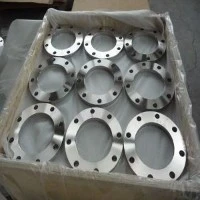
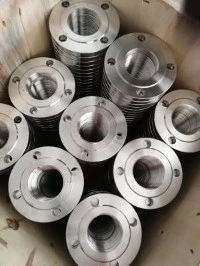
If you're in the process of selecting flanges for your system, don't hesitate to reach out. We can discuss your fluid properties, system requirements, and find the perfect Npt Threaded Flange solution for you. Whether you need a Carbon Steel Threaded Flange, Stainless Steel Threaded Flange, or DIN Threaded Flanges, we've got you covered.
Let's work together to ensure your system runs smoothly and safely. Look forward to chatting with you about your flange needs soon.
References
- ASME Standards for Pipe Flanges and Flanged Fittings.
- Chemical Compatibility Handbooks from leading flange manufacturers.
- Oil and Gas Industry Research Papers on Flange Performance in Hydrocarbon Fluids.