Hey there! As a supplier of steel plate flanges, I often get asked whether these bad boys can be used in water pipeline systems. Well, let's dive right into it and find out!
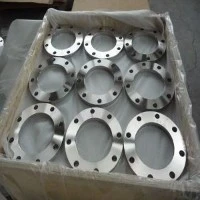
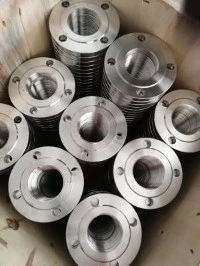
First off, what are steel plate flanges? They're basically flat, circular discs with holes around the perimeter for bolts. These flanges are used to connect pipes, valves, pumps, and other equipment to form a pipeline system. They come in various sizes, materials, and pressure ratings, making them a versatile choice for different applications.
Now, can they be used in water pipeline systems? The short answer is yes! Steel plate flanges are commonly used in water pipeline systems for a few good reasons.
1. Durability
Steel is a tough and durable material that can withstand the rigors of water flow, pressure, and environmental conditions. Whether it's a small residential water line or a large industrial water supply system, steel plate flanges can hold up well over time. They're resistant to corrosion, which is a major concern in water applications, especially if the water contains chemicals or has a high pH level. For example, in a municipal water treatment plant, where the water is treated with chlorine and other chemicals, steel plate flanges can resist the corrosive effects of these substances and maintain their integrity.
2. Strength
Water pipelines often operate under high pressure, especially in large-scale distribution systems. Steel plate flanges have high strength and can handle these pressures without leaking or failing. They provide a secure connection between pipes, ensuring that the water flows smoothly and efficiently through the system. For instance, in a high-rise building's water supply system, the water needs to be pumped to different floors, creating significant pressure. Steel plate flanges can withstand this pressure and keep the system running safely.
3. Compatibility
Steel plate flanges are compatible with a wide range of pipe materials, including steel, cast iron, and PVC. This makes them a flexible option for water pipeline systems, as they can be used to connect different types of pipes. Whether you're working on a new installation or a retrofit project, you can easily find steel plate flanges that are compatible with your existing pipes. For example, if you're replacing an old cast iron pipe with a new steel pipe, you can use steel plate flanges to connect the two different materials seamlessly.


4. Ease of Installation
Installing steel plate flanges is relatively easy compared to other types of flanges. They can be bolted together quickly and securely, reducing installation time and labor costs. This is especially important in water pipeline projects, where time is often of the essence. For example, in a emergency water line repair, the ability to quickly install steel plate flanges can minimize the disruption to the water supply.
However, there are also some factors to consider when using steel plate flanges in water pipeline systems.
1. Material Selection
The type of steel used for the flanges is crucial. Stainless steel is a popular choice for water applications because of its excellent corrosion resistance. For example, DN80Stainless Steel Flange is a great option for small to medium-sized water pipelines. It can withstand the corrosive effects of water and is suitable for both potable and non-potable water systems. Carbon steel can also be used, but it may require additional coating or protection to prevent corrosion.
2. Pressure Rating
Make sure to choose steel plate flanges with the appropriate pressure rating for your water pipeline system. The pressure rating indicates the maximum pressure that the flange can safely handle. Using flanges with a lower pressure rating than required can lead to leaks or even catastrophic failures. For example, in a high-pressure water distribution system, you need to use flanges with a high-pressure rating, such as ANSI Steel Forged DN80 Flange, which is designed to handle high-pressure applications.
3. Sealing
Proper sealing is essential to prevent water leaks. Use high-quality gaskets and ensure that they are installed correctly. The gasket material should be compatible with the water and the flange material. For example, in a water pipeline system that transports hot water, you need to use a gasket material that can withstand high temperatures.
4. Maintenance
Regular maintenance is necessary to keep the steel plate flanges in good condition. Inspect the flanges periodically for signs of corrosion, leaks, or damage. Tighten the bolts if necessary to ensure a secure connection. If you notice any problems, replace the flanges or gaskets immediately to prevent further damage to the pipeline system.
In conclusion, steel plate flanges can definitely be used in water pipeline systems. They offer durability, strength, compatibility, and ease of installation. However, it's important to choose the right flanges, consider the pressure rating, ensure proper sealing, and perform regular maintenance. As a supplier of steel plate flanges, I can offer you a wide range of options to meet your specific needs. Whether you're looking for Slip On Flange Manufacturer or a particular size and type of flange, I've got you covered.
If you're interested in purchasing steel plate flanges for your water pipeline project, feel free to get in touch. I'm here to help you find the best solutions and ensure that your project runs smoothly. Let's work together to build a reliable and efficient water pipeline system!
References
- ASME B16.5: Pipe Flanges and Flanged Fittings
- ASTM A105: Standard Specification for Carbon Steel Forgings for Piping Applications
- AWWA C207: Standard for Steel Pipe Flanges, 4 In. Through 144 In. (100 mm Through 3600 mm)