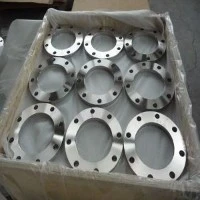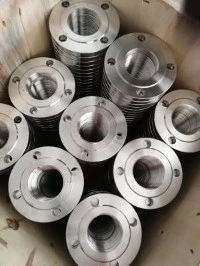
Steel flanges are crucial components in various industries, serving as connectors between pipes, valves, pumps, and other equipment. As a leading steel flange supplier, I have witnessed firsthand the diverse applications and importance of these versatile products. In this blog post, I will explore the wide range of applications of steel flanges and highlight some of our popular products, including the ANSI Steel Black Painting Flange, Welding Neck Flange Asme B16 5 Class 150, and API Carbon Steel Flange.
Oil and Gas Industry
The oil and gas industry is one of the largest consumers of steel flanges. In this sector, flanges are used in various applications, from upstream exploration and production to downstream refining and distribution.
- Upstream Applications: In oil and gas exploration and production, steel flanges are used in wellheads, pipelines, and offshore platforms. They provide a secure connection between different components, ensuring the safe and efficient transfer of oil and gas. For example, welding neck flanges are commonly used in high-pressure and high-temperature applications, such as in the production of deepwater oil and gas wells.
- Downstream Applications: In the refining and distribution of oil and gas products, steel flanges are used in pipelines, storage tanks, and processing equipment. They are essential for maintaining the integrity of the system and preventing leaks. For instance, slip-on flanges are often used in low-pressure applications, such as in the distribution of natural gas to residential and commercial customers.
Chemical Industry
The chemical industry also relies heavily on steel flanges for the transportation and processing of various chemicals. Flanges in this industry must be able to withstand corrosive environments and high pressures.
- Chemical Processing: In chemical plants, steel flanges are used in reactors, distillation columns, and heat exchangers. They are made from corrosion-resistant materials, such as stainless steel or alloy steel, to prevent chemical reactions and ensure the safety of the process. For example, blind flanges are used to close the end of a pipeline or a vessel, preventing the escape of chemicals.
- Chemical Transportation: In the transportation of chemicals, steel flanges are used in tanker trucks, railcars, and pipelines. They provide a leak-proof connection, protecting the environment and the public from potential hazards. For instance, lap joint flanges are often used in applications where frequent disassembly and reassembly are required, such as in the loading and unloading of chemical tankers.
Power Generation Industry
The power generation industry, including thermal power plants, nuclear power plants, and renewable energy facilities, uses steel flanges in a variety of applications.
- Thermal Power Plants: In thermal power plants, steel flanges are used in boilers, turbines, and condensers. They are designed to withstand high temperatures and pressures, ensuring the efficient operation of the power generation process. For example, socket weld flanges are commonly used in small-diameter pipelines in power plants.
- Nuclear Power Plants: In nuclear power plants, steel flanges are used in reactor vessels, coolant systems, and containment structures. They must meet strict safety standards and be able to withstand the harsh conditions of a nuclear environment. For instance, special flanges are used in the primary coolant system of a nuclear reactor to prevent the leakage of radioactive materials.
- Renewable Energy Facilities: In renewable energy facilities, such as wind farms and solar power plants, steel flanges are used in the construction and operation of the equipment. They provide a reliable connection between different components, ensuring the stability and efficiency of the energy generation process. For example, threaded flanges are often used in the installation of wind turbine towers.
Water and Wastewater Treatment Industry
The water and wastewater treatment industry uses steel flanges in the transportation and treatment of water and wastewater. Flanges in this industry must be able to withstand the corrosive effects of water and chemicals.
- Water Treatment: In water treatment plants, steel flanges are used in pipelines, pumps, and filters. They are made from materials that are resistant to corrosion and abrasion, such as ductile iron or stainless steel. For example, weld neck flanges are commonly used in the intake and distribution of water, ensuring the efficient and safe transfer of water.
- Wastewater Treatment: In wastewater treatment plants, steel flanges are used in pipelines, digesters, and clarifiers. They are designed to prevent the leakage of wastewater and the spread of pollutants. For instance, slip-on flanges are often used in the collection and treatment of wastewater from residential and commercial areas.
Construction Industry
The construction industry uses steel flanges in the building of bridges, buildings, and other structures. Flanges in this industry provide a strong and stable connection between different structural components.
- Bridge Construction: In bridge construction, steel flanges are used in the connection of girders, columns, and decks. They provide a rigid and reliable connection, ensuring the safety and stability of the bridge. For example, plate flanges are commonly used in the construction of steel bridges, providing a large contact area for the transfer of loads.
- Building Construction: In building construction, steel flanges are used in the connection of steel frames, beams, and columns. They are essential for the structural integrity of the building. For instance, blind flanges are often used in the construction of high-rise buildings to close the end of a pipeline or a duct.
Other Industries
In addition to the above industries, steel flanges are also used in many other industries, such as the food and beverage industry, the pharmaceutical industry, and the automotive industry.


- Food and Beverage Industry: In the food and beverage industry, steel flanges are used in the production and packaging of food and beverages. They are made from materials that are safe for contact with food, such as stainless steel. For example, hygienic flanges are commonly used in the dairy industry to ensure the cleanliness and safety of the production process.
- Pharmaceutical Industry: In the pharmaceutical industry, steel flanges are used in the manufacturing and packaging of drugs. They must meet strict quality and hygiene standards to ensure the safety and effectiveness of the drugs. For instance, sanitary flanges are often used in the production of injectable drugs to prevent contamination.
- Automotive Industry: In the automotive industry, steel flanges are used in the exhaust systems, fuel systems, and cooling systems of vehicles. They provide a reliable connection between different components, ensuring the performance and safety of the vehicle. For example, flange gaskets are used to seal the connection between the exhaust manifold and the exhaust pipe, preventing the leakage of exhaust gases.
Conclusion
As a steel flange supplier, I understand the importance of providing high-quality products that meet the specific needs of different industries. Our ANSI Steel Black Painting Flange, Welding Neck Flange Asme B16 5 Class 150, and API Carbon Steel Flange are just some of the products that we offer to meet the diverse requirements of our customers.
If you are in need of steel flanges for your industry, please do not hesitate to contact us. Our team of experts will be happy to assist you in selecting the right flanges for your application and providing you with the best possible service. We look forward to working with you and helping you achieve your goals.
References
- ASME B16.5 - Pipe Flanges and Flanged Fittings
- API 6A - Specification for Wellhead and Christmas Tree Equipment
- ASTM A105 - Standard Specification for Carbon Steel Forgings for Piping Applications
- ASTM A350 - Standard Specification for Carbon and Low-Alloy Steel Forgings, Requiring Notch Toughness Testing for Piping Components