Hey there! As a supplier of Welded Neck Flanges, I often get asked about the different components and their roles in these crucial pieces of equipment. One question that comes up quite a bit is, "What is the role of the root face in a welded neck flange?" Well, let's dive right in and break it down.
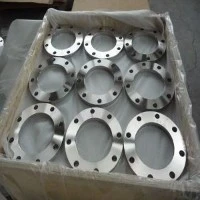
First off, let's understand what a welded neck flange is. It's a type of flange that has a long, tapered hub which is welded to a pipe. This design provides a smooth transition from the flange to the pipe, reducing stress concentration and making it suitable for high-pressure and high-temperature applications. You can check out our ASME 150LBS Carbon Steel Weld Neck Flange for a great example of this.

Now, onto the root face. The root face is the flat surface at the end of the flange's hub that comes into contact with the pipe when it's being welded. It might seem like a small part, but it plays a super important role in the welding process and the overall performance of the flange.
One of the main functions of the root face is to control the penetration of the weld. When you're welding the flange to the pipe, you want the weld to penetrate just the right amount. If the penetration is too deep, it can cause distortion and weaken the joint. On the other hand, if the penetration is too shallow, the joint might not be strong enough to withstand the pressure and forces it will be subjected to. The root face acts as a stop, preventing the weld from going too deep and ensuring that the penetration is consistent across the joint.
Another important role of the root face is to provide a stable surface for the weld. When you're welding, you need a flat and clean surface to start the arc and build up the weld. The root face provides this surface, allowing the welder to create a strong and reliable weld. Without a proper root face, the weld might be uneven or have defects, which can compromise the integrity of the joint.
The root face also helps to prevent the formation of weld defects such as lack of fusion and porosity. Lack of fusion occurs when the weld metal doesn't properly bond with the base metal, while porosity is the presence of small holes or voids in the weld. By providing a flat surface and controlling the penetration, the root face reduces the likelihood of these defects occurring, resulting in a higher-quality weld.
In addition to its role in the welding process, the root face can also affect the strength and durability of the flange joint. A well-prepared root face ensures that the weld is strong and can withstand the pressure and forces it will be exposed to over time. This is especially important in applications where the flange is subjected to high stress, such as in pipelines carrying oil, gas, or other fluids.

Now, let's talk about how we ensure the quality of the root face in our welded neck flanges. At our company, we use advanced manufacturing techniques and strict quality control measures to make sure that each flange meets the highest standards. We start by carefully selecting the raw materials, ensuring that they have the right chemical composition and mechanical properties. Then, we use precision machining to create the root face, making sure that it's flat, smooth, and within the specified tolerances.
After the machining process, we perform a series of inspections to check the quality of the root face. We use tools such as calipers, micrometers, and surface roughness testers to measure the dimensions and surface finish of the root face. We also conduct visual inspections to look for any signs of defects or damage. Only flanges that pass all of our inspections are approved for sale.
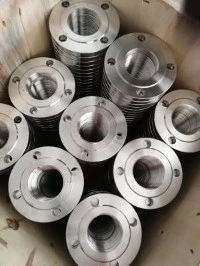
We offer a wide range of welded neck flanges to meet the needs of different customers. Whether you're looking for a Forged Steel Flange or a High Quality Forged Steel Flange, we've got you covered. Our flanges are available in various sizes, pressure ratings, and materials, so you can find the perfect one for your application.
If you're in the market for welded neck flanges, I encourage you to get in touch with us. We have a team of experts who can help you choose the right flange for your needs and answer any questions you might have. We're committed to providing our customers with the highest quality products and the best possible service. So, don't hesitate to reach out and start a conversation with us. We look forward to working with you!
References
- Welding Handbook, American Welding Society
- ASME B16.5, Pipe Flanges and Flanged Fittings