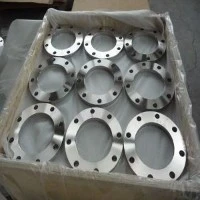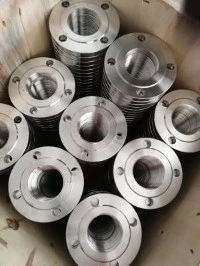
Hey there! As a supplier of steel plate flanges, I'm super excited to take you through the manufacturing process of these essential components. Steel plate flanges are widely used in various industries, from oil and gas to construction, for connecting pipes, valves, and other equipment. So, let's dive right in!
Step 1: Material Selection
The first and most crucial step in making steel plate flanges is choosing the right material. The type of steel we select depends on the specific application of the flange. For instance, if the flange is going to be used in a corrosive environment, we might opt for stainless steel. On the other hand, carbon steel is a popular choice for general-purpose applications due to its strength and affordability.
We source our steel from trusted suppliers who meet strict quality standards. The steel usually comes in the form of large plates, which are then cut down to the appropriate size for the flange. This initial material selection sets the foundation for the quality and performance of the final product.
Step 2: Cutting the Steel Plate
Once we have the right steel plate, the next step is to cut it into the desired shape and size. There are several methods we can use for this, but one of the most common is plasma cutting. Plasma cutting uses a high-velocity jet of ionized gas to melt and remove the metal, resulting in a clean and precise cut.
Another option is laser cutting, which is known for its high accuracy and ability to cut complex shapes. Laser cutting is especially useful when we need to create flanges with intricate designs or tight tolerances. After cutting, the edges of the plate are usually smoothed to remove any rough spots or burrs.
Step 3: Machining the Flange
After cutting the steel plate, we move on to the machining process. Machining is all about shaping the flange to its final dimensions and adding the necessary features, such as bolt holes and a smooth sealing surface.
We use a variety of machining tools, including lathes, milling machines, and drill presses. On a lathe, the flange is rotated while a cutting tool removes material to create the outer diameter and the required thickness. Milling machines are used to create flat surfaces and cut grooves, while drill presses are used to drill the bolt holes.
During this stage, we pay close attention to the specifications provided by the customer. We make sure that the flange meets all the required dimensions and tolerances to ensure a proper fit and function.
Step 4: Heat Treatment
Heat treatment is an important step in the manufacturing process of steel plate flanges. It helps to improve the mechanical properties of the steel, such as its strength, hardness, and toughness.
There are different types of heat treatment processes, and the one we choose depends on the type of steel and the desired properties of the flange. One common heat treatment method is quenching and tempering. Quenching involves rapidly cooling the heated steel in a liquid, such as oil or water, to increase its hardness. Tempering is then done to reduce the brittleness and improve the toughness of the steel.
Heat treatment also helps to relieve any internal stresses that may have been introduced during the cutting and machining processes. This ensures that the flange remains stable and reliable over time.
Step 5: Surface Treatment
Once the heat treatment is complete, we focus on the surface treatment of the flange. Surface treatment not only enhances the appearance of the flange but also protects it from corrosion and wear.
One of the most common surface treatment methods is painting. We apply a high-quality paint coating to the flange to provide a protective barrier against moisture and other corrosive elements. Another option is galvanizing, which involves coating the flange with a layer of zinc. Galvanizing is highly effective in preventing rust and corrosion, especially in outdoor or harsh environments.
In some cases, we may also use other surface treatment techniques, such as powder coating or plating, depending on the specific requirements of the customer.
Step 6: Inspection and Testing
Before the steel plate flanges are ready to be shipped, they undergo a rigorous inspection and testing process. We want to make sure that every flange meets our high-quality standards and the specifications of the customer.
We use a variety of inspection tools and techniques, including calipers, micrometers, and ultrasonic testing. Calipers and micrometers are used to measure the dimensions of the flange to ensure they are within the specified tolerances. Ultrasonic testing is used to detect any internal defects, such as cracks or voids, in the steel.
We also perform pressure testing to ensure that the flange can withstand the required pressure without leaking. This is especially important for flanges used in high-pressure applications, such as in the oil and gas industry.
Step 7: Packaging and Shipping
Once the flanges have passed all the inspections and tests, they are carefully packaged to prevent damage during transportation. We use high-quality packaging materials, such as wooden crates or pallets, to ensure that the flanges arrive at the customer's location in perfect condition.
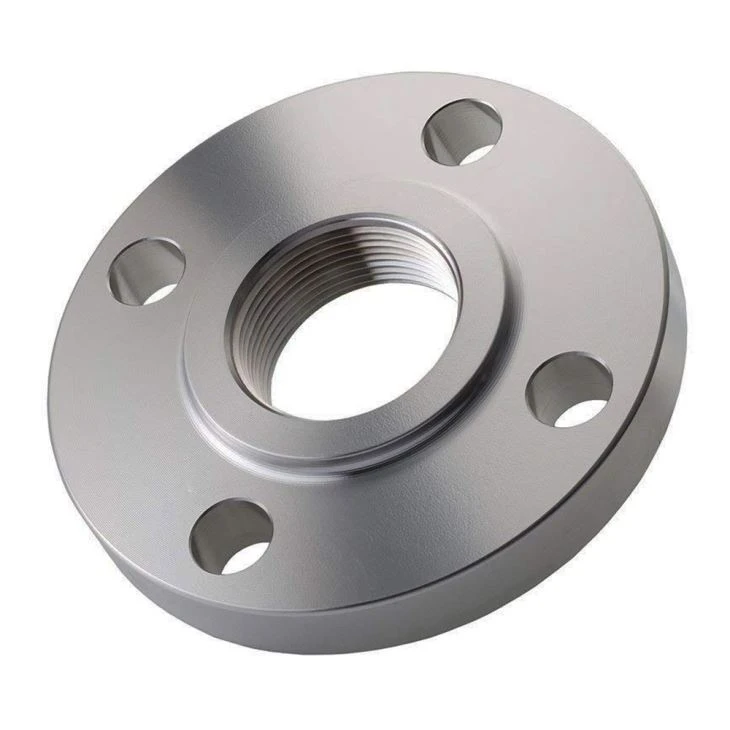
We work with reliable shipping companies to ensure timely and safe delivery of the flanges. We also provide detailed documentation, such as certificates of quality and inspection reports, to give our customers peace of mind.
Our Product Range
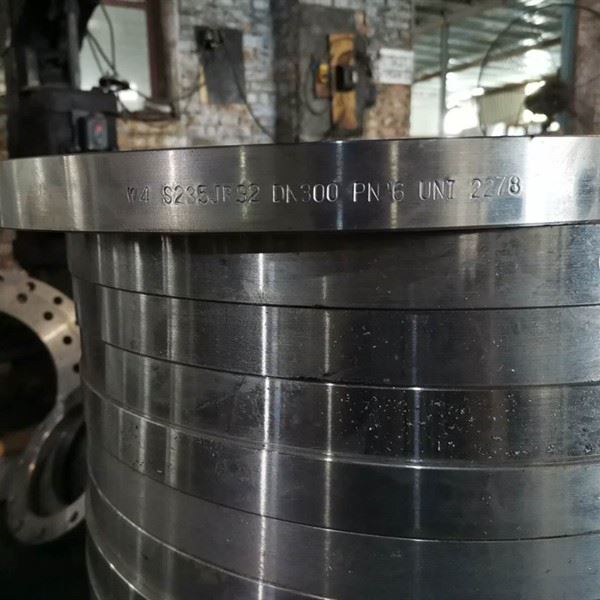
As a steel plate flange supplier, we offer a wide range of products to meet the diverse needs of our customers. Some of our popular products include the DIN2576 Plate Weld Neck Flange, which is known for its excellent strength and durability. We also have a variety of Din Standard Flanges that comply with international standards. And if you're looking for something more corrosion-resistant, our Forged Stainless Steel Flange is a great option.
Contact Us for Your Flange Needs
If you're in the market for high-quality steel plate flanges, look no further! We're committed to providing our customers with the best products and services. Whether you need a small quantity of flanges for a DIY project or a large order for an industrial application, we've got you covered.
Get in touch with us today to discuss your specific requirements and get a quote. We're always happy to answer any questions you may have and help you find the perfect flanges for your needs.
References
- ASME B16.5 - Pipe Flanges and Flanged Fittings
- API 6A - Specification for Wellhead and Christmas Tree Equipment
- DIN Standards - German Industrial Standards for Flanges